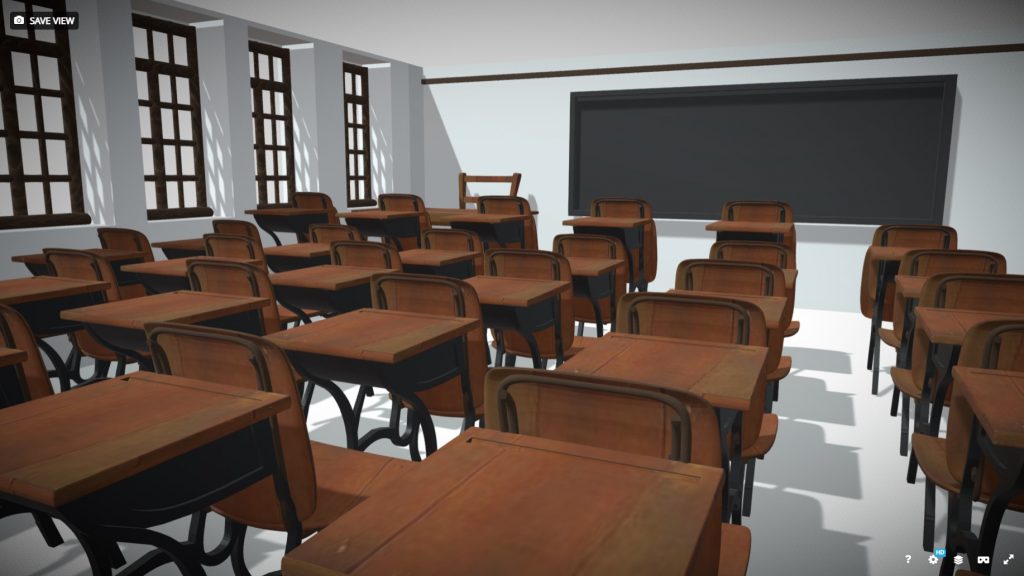
Old Sun Classroom
This computer reconstruction approximates how clas…
Read more
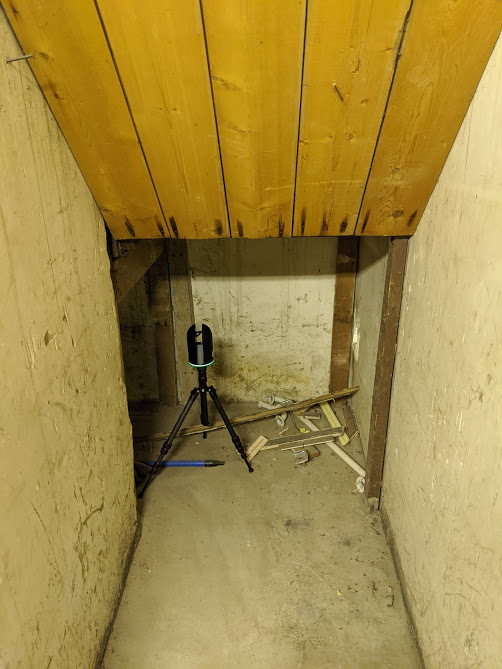
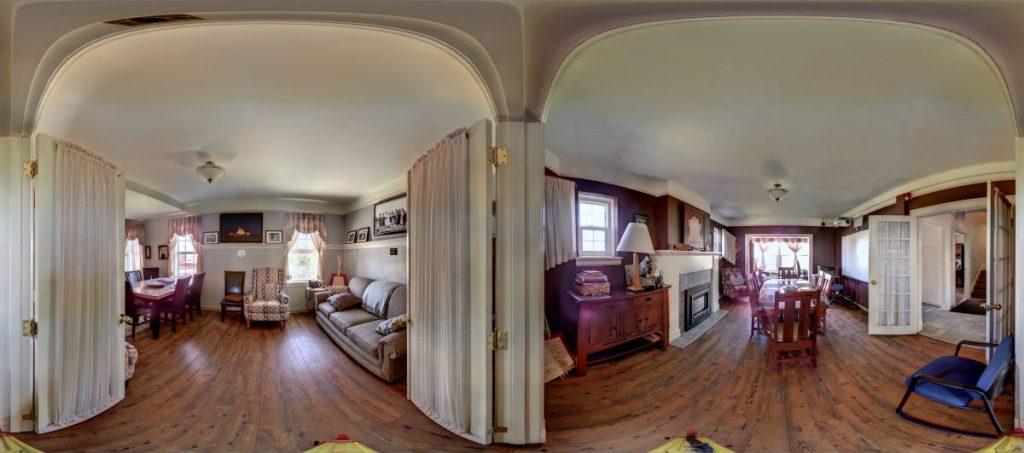
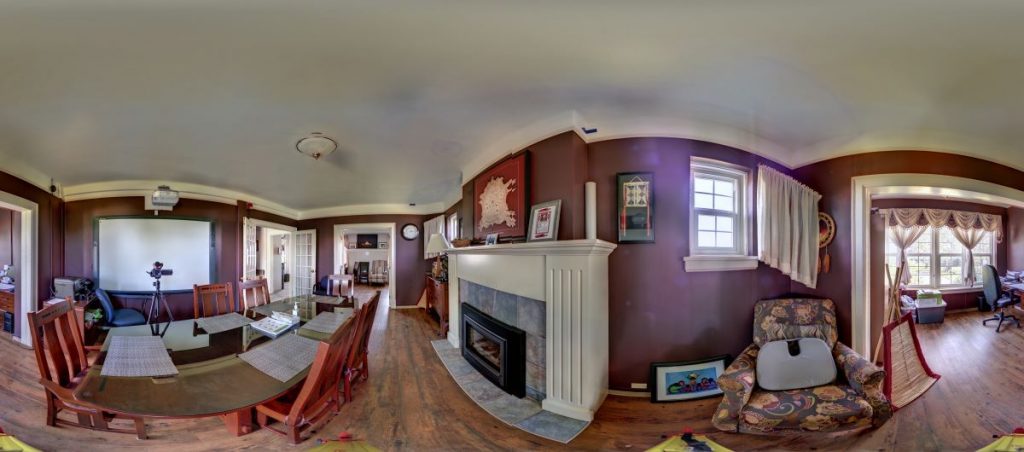
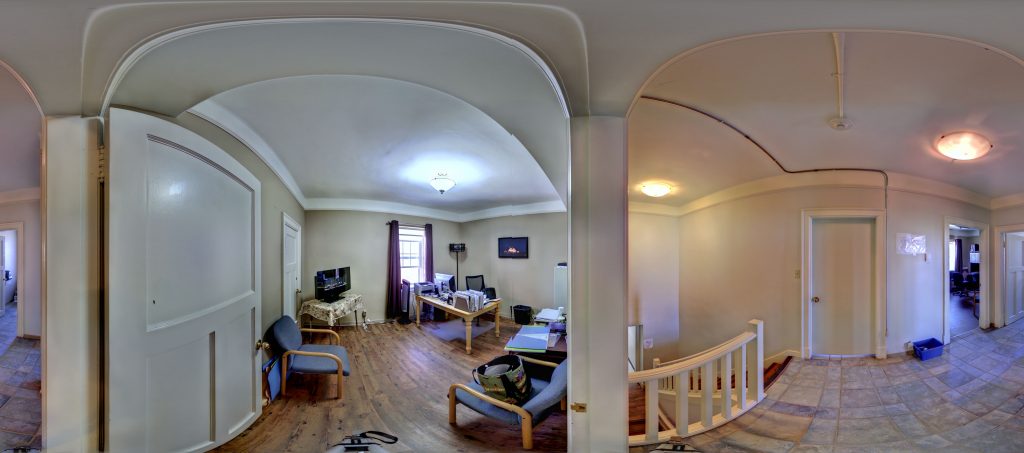
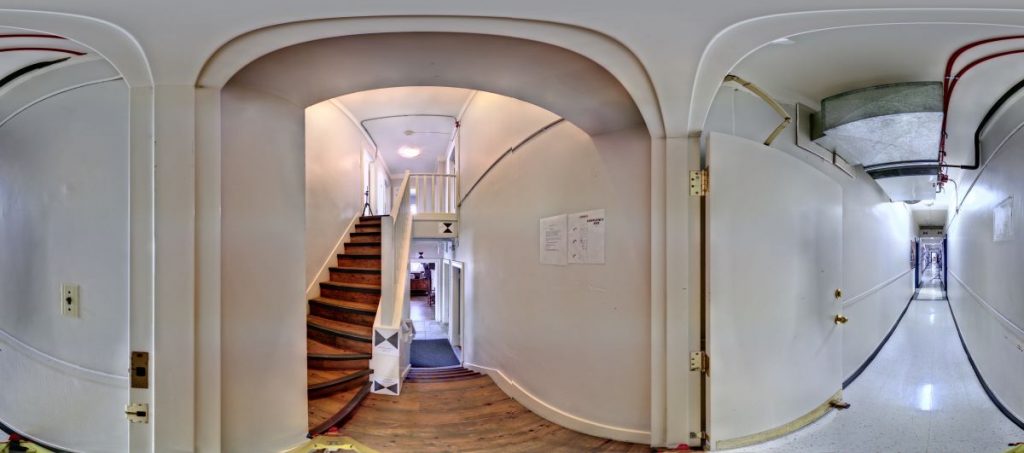
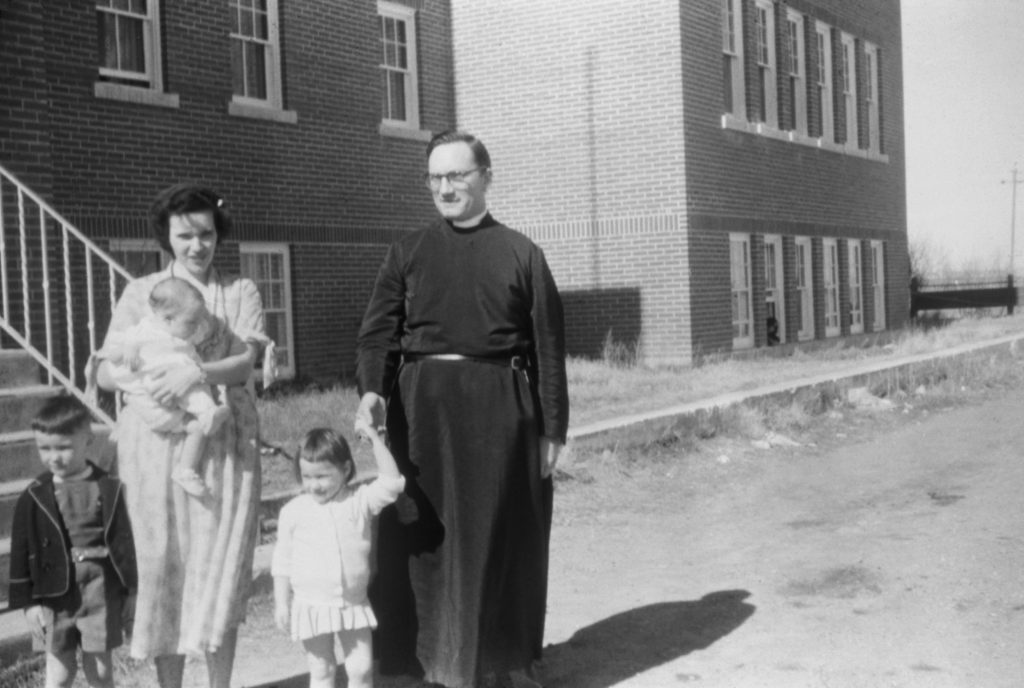
The Annex at Old Sun Community College. This Area of the School Presently Contains Various Administrative Offices. It Originally Served as the Priest’s Primary Residence During the Time that Old Sun Functioned as an Indian Residential School.

The annex at Old Sun Community College is currently used as a meeting space for staff. The main floor has a private office, an office with board room, and a small kitchen area. Upstairs, there are three offices, a bathroom, and an additional room. The annex’s half basement is used for storage.
When Old Sun operated as a residential school, the annex served as accommodation for the minister, who was also principal of the school, and his family. The kitchen and boardroom functioned as a private kitchen and formal dining area where the minister could entertain guests. The rooms upstairs served as bedrooms. Students at the school were not generally allowed access to the annex, except when brought there specifically by the minister.
For the creation of this archive, many of the survivors returned to Old Sun to share their memories, and were interviewed in the boardroom which used to be the dining room for these quarters. For many survivors, it takes great strength and resilience to return to the school and revisit their memories.
Use the arrow keys (left, right, up, down) or left click and drag your mouse around the screen to view different areas of each room. If you have a touch screen, simply drag your finger across the screen.
This gallery contains modern day and archival images of the annex of Old Sun. If you have photos of the annex that you would like to submit to this archive, please contact us at irsdocumentationproject@gmail.com.
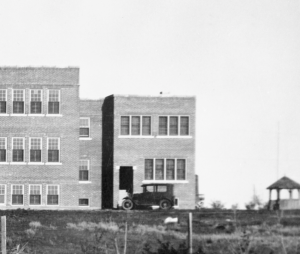
![Old Sun School, annex to the right with separate entrance visible. [193-?]. P75-103-S7-188 from the General Synod Archives, Anglican Church of Canada.](https://irs.preserve.ucalgary.ca/wp-content/uploads/2021/07/P75-103-S7-188.jpeg)
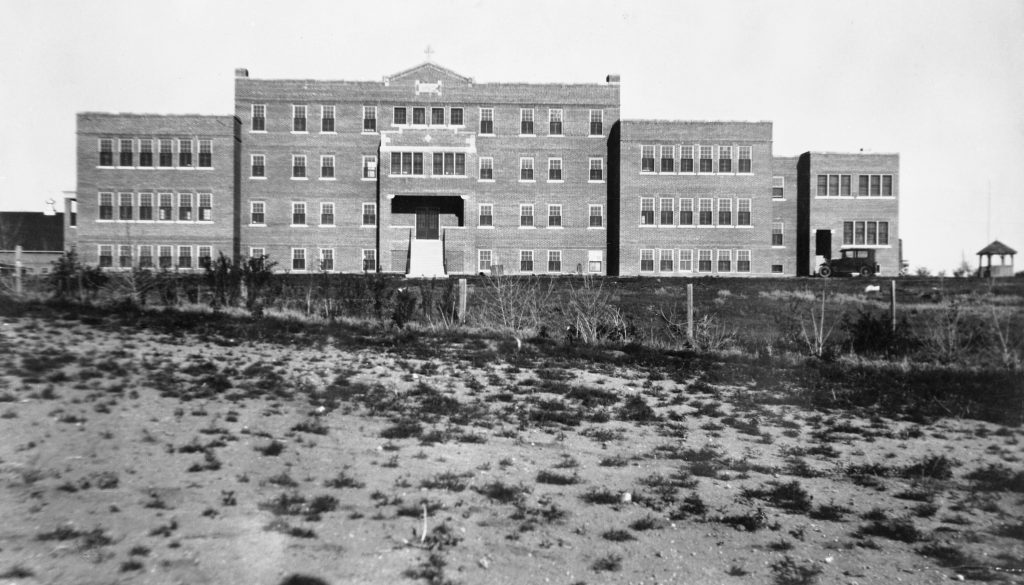
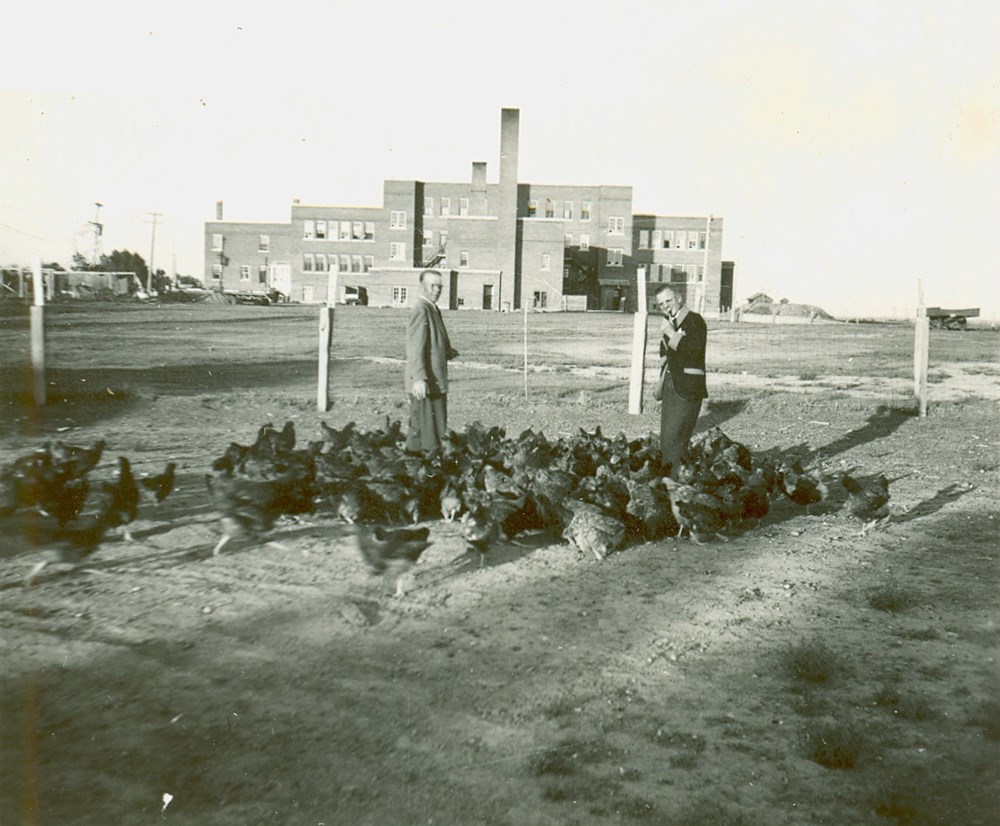
![Old Sun School, annex to the right.[193-?] P7538-1022 from the General Synod Archives, Anglican Church of Canada](https://irs.preserve.ucalgary.ca/wp-content/uploads/P7538-1022.jpeg)
I will talk about the girl’s playroom where I saw a lot of things happen. My niece Betsy had a bag of chips. The supervisor and Mrs. Smith were standing there. We were standing beside them, we were just little girls and looking up at them, and they were very tall. My niece wanted to share some her chips with them and she said “mah” [“here” in Blackfoot]. The supervisor didn’t even wait, and she just slapped her. My dear niece, the chips were just knocked down from her hand. I couldn’t even help her or comfort her as she was crying, because we used to get into trouble if we tried to help each other. So I just had to stand there, it really hurt me… and really for no reason, She was just trying to share her chips with the supervisor. She got slapped and started crying. I couldn’t even comfort her or help her, I couldn’t.
There were many incidents in the playground and the girl’s playroom that I witnessed. These older [girls], I don’t know what they did , but they got punished right in front of all of us in the playroom. I couldn’t understand all they said in English, I was just young. We were just being taught English. She, the supervisor, pulled her pants down and strapped her. We couldn’t even cover our faces because we didn’t want to see that. We just had to stand with our arms down and just look. The supervisor said some things that I can’t remember, but I had already mentioned that I didn’t understand English. I didn’t know what the priest was saying… Those were the few things I saw in the girl’s playroom.
– Olivia Good Rider
Oral interview with Olivia Good Rider. Conducted, translated, and transcribed by Angeline Ayoungman. Old Sun Community College, March 11, 2022.

This computer reconstruction approximates how clas…
Read more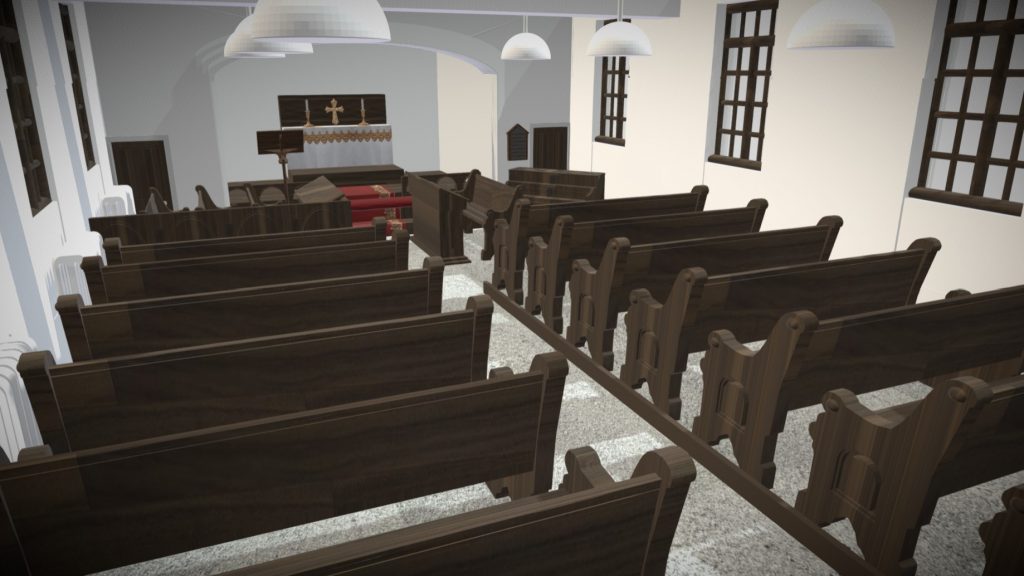
This computer reconstruction approximates how the…
Read more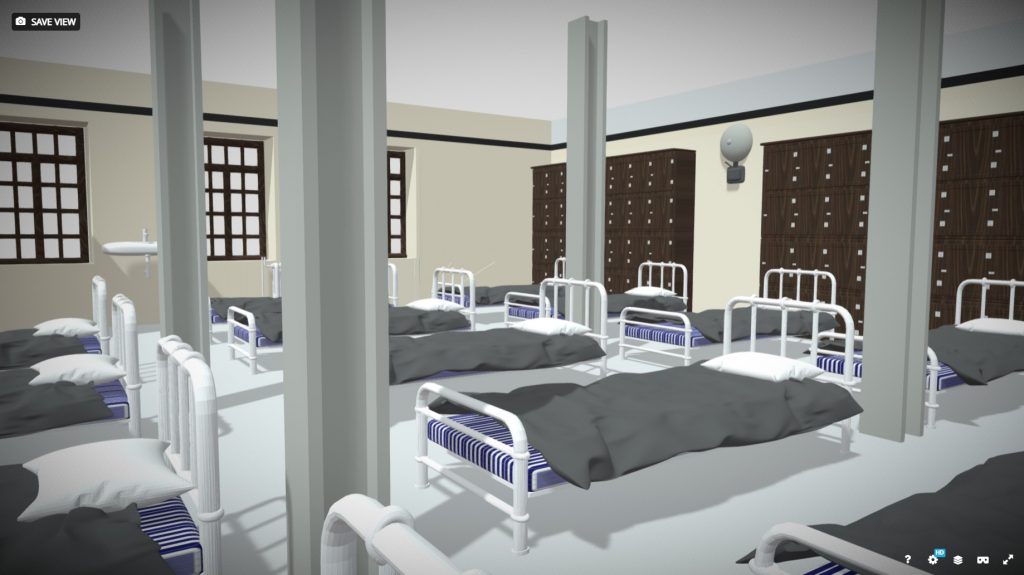
This computer reconstruction approximates how the…
Read more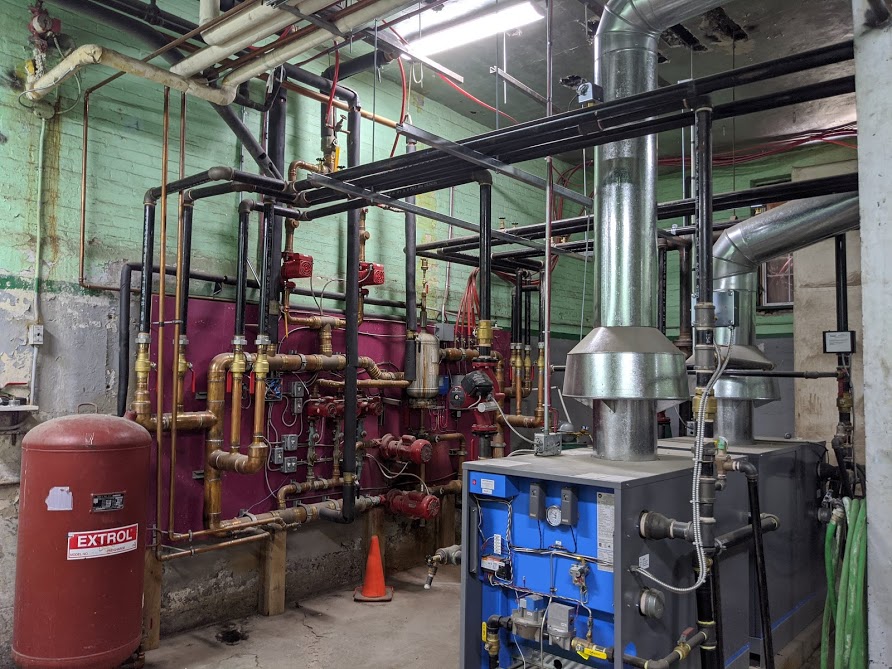
The boiler room and former coal shoot at Old Sun C…
Read more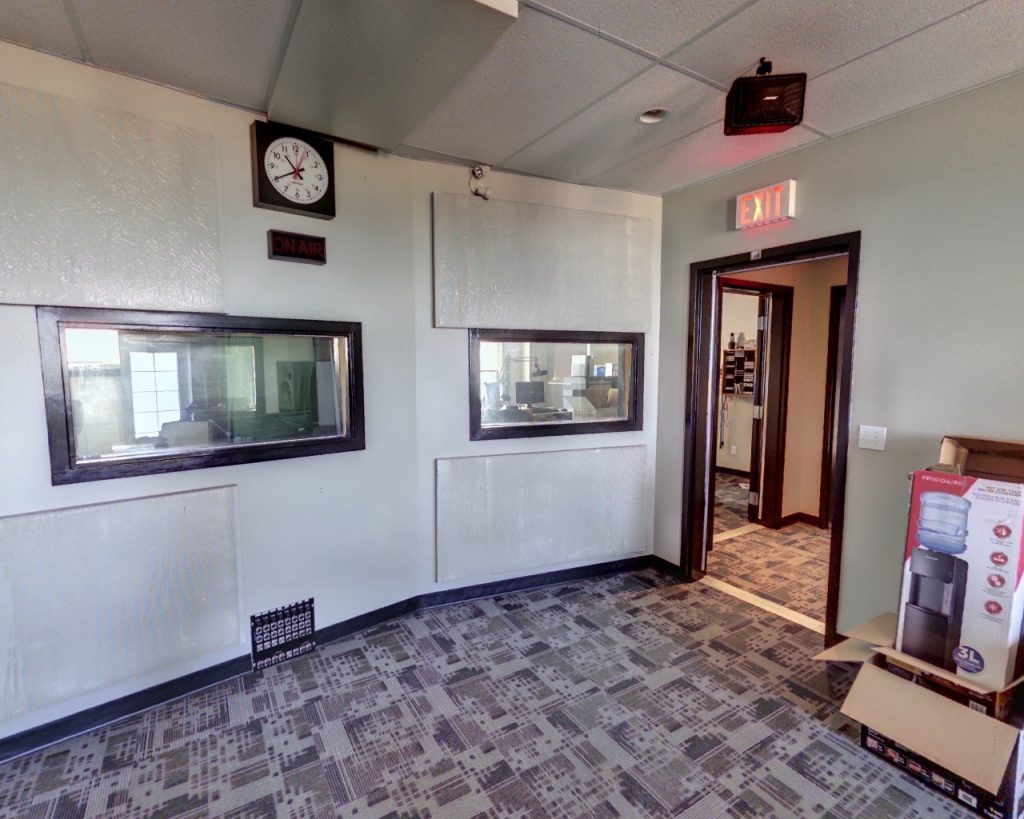
The Fourth Floor of Old Sun Community College (OSC…
Read more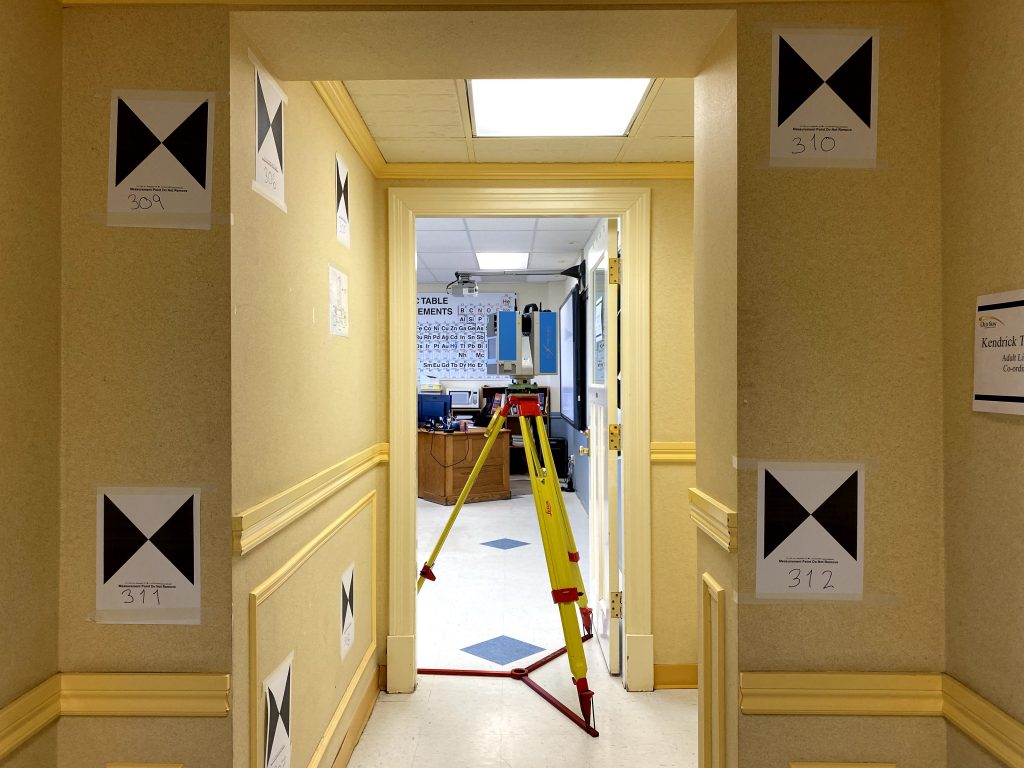
The Third Floor of Old Sun Community College (OSCC…
Read more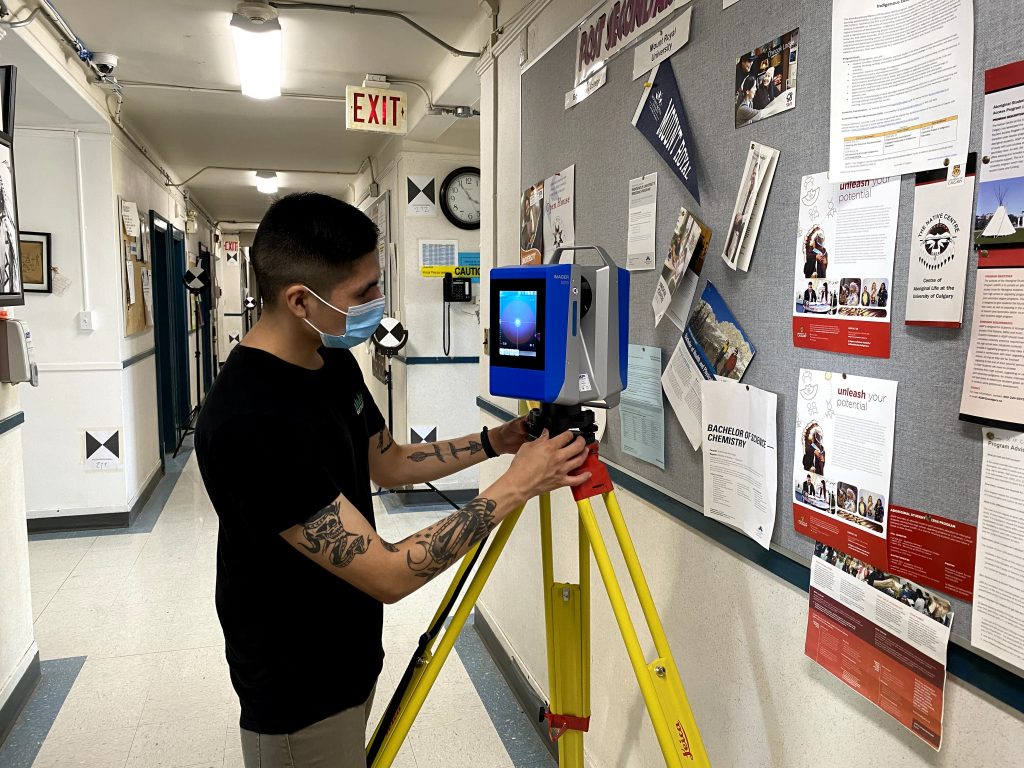
The Second Floor of Old Sun Community College (OSC…
Read more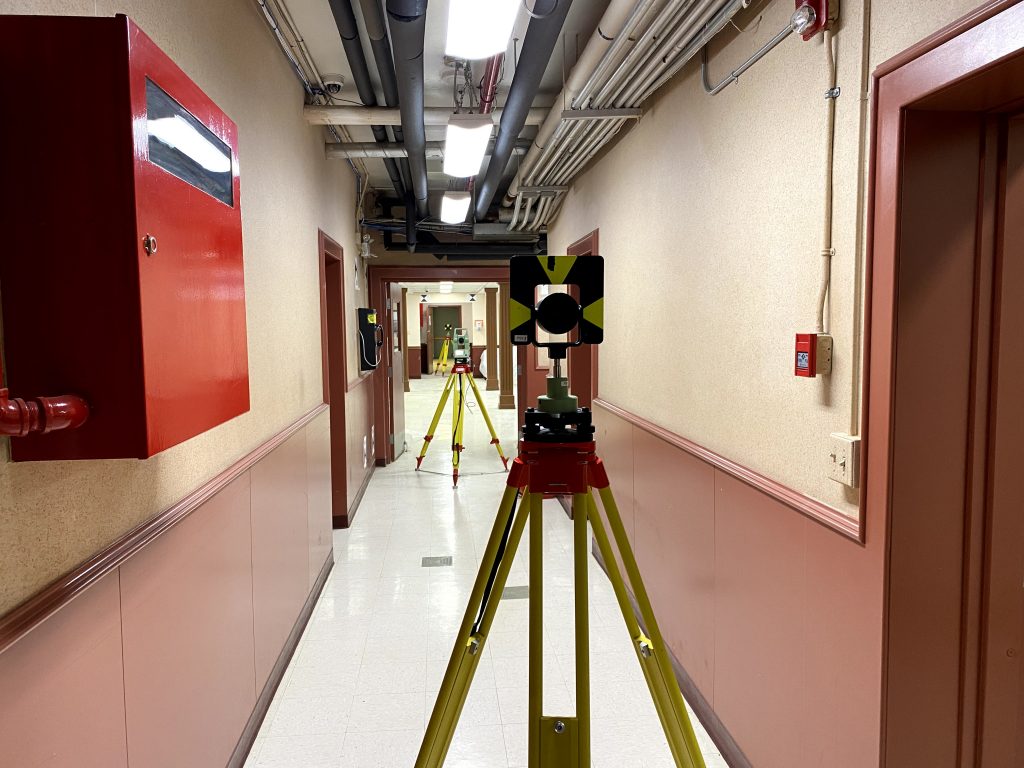
The First Floor/Basement of Old Sun Community Coll…
Read more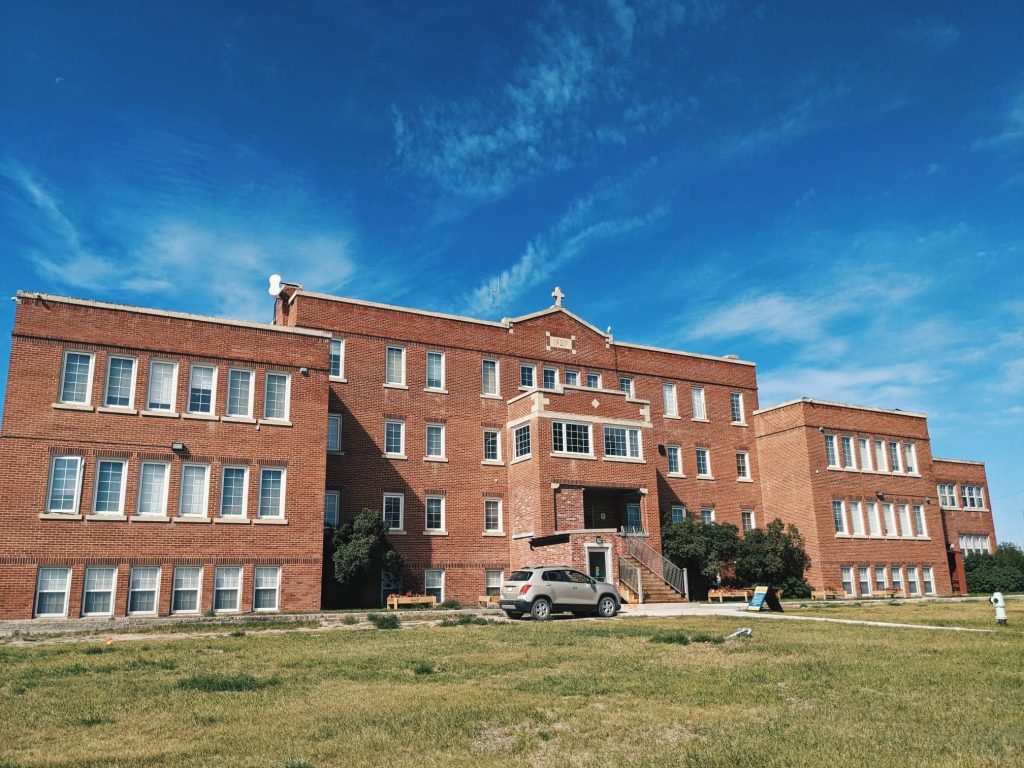
Old Sun Indian Residential School operated between…
Read more