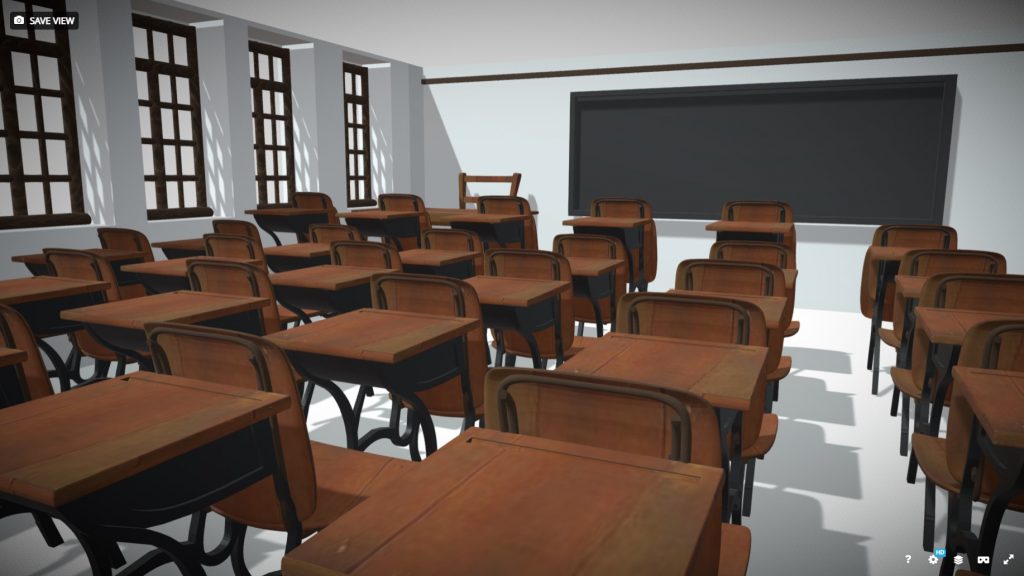
Old Sun Classroom
This computer reconstruction approximates how clas…
Read more
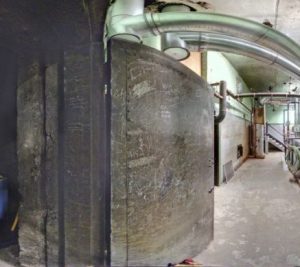
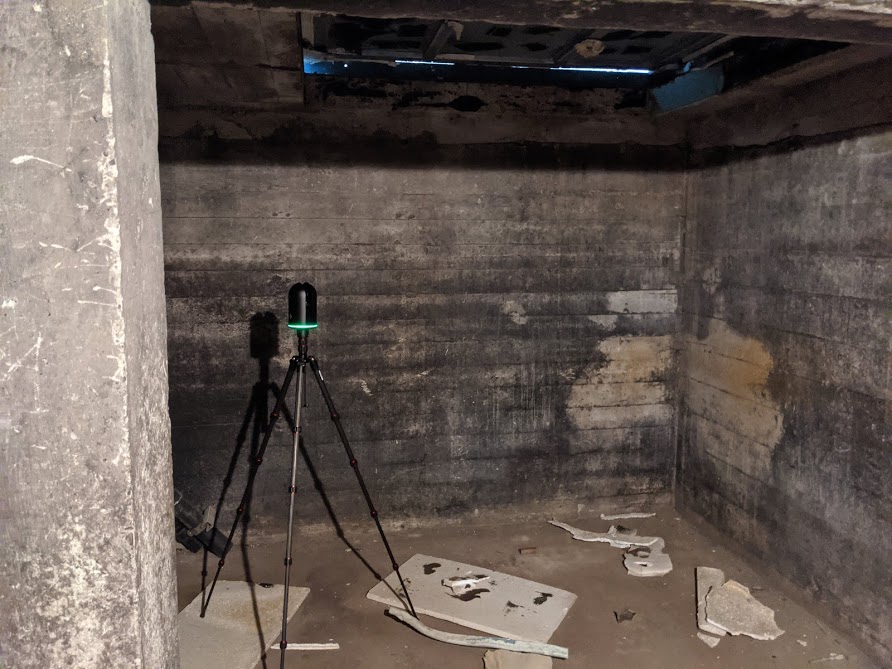
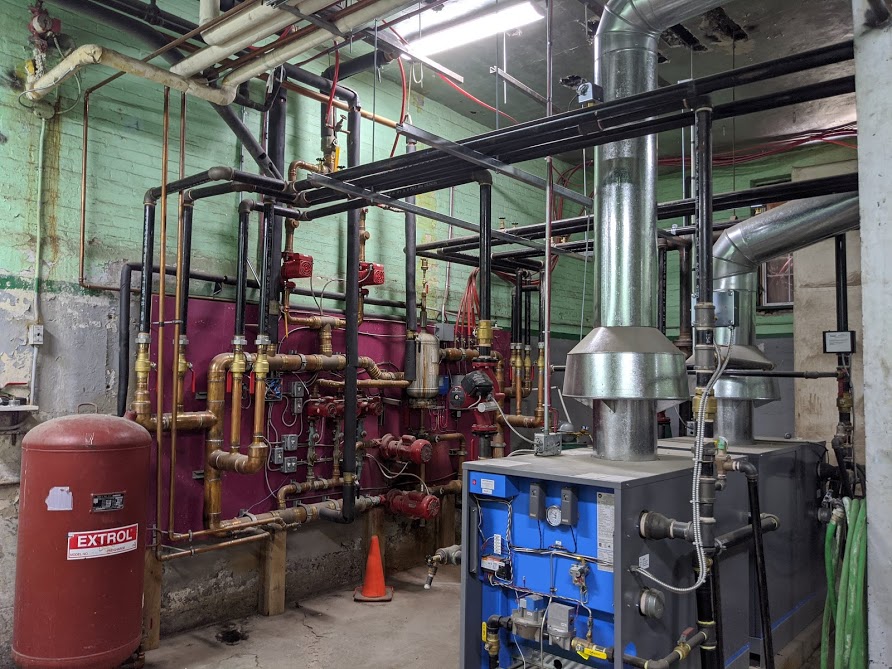
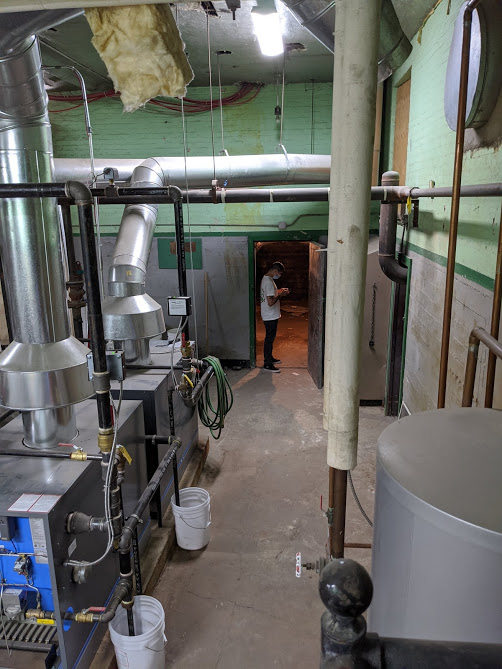
The boiler room and former coal shoot at Old Sun Community College. This large space continues to house the utilities used to heat this large masonry building. A metal door leading to the coal shoot contains graffiti from students and staff that dates back to the early days of Old Sun Indian Residential School.

While there have been technological updates and modernization of the utilities, the boiler room retains much of its original appearance since its operation as part of Old Sun Indian Residential School.
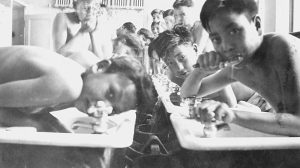
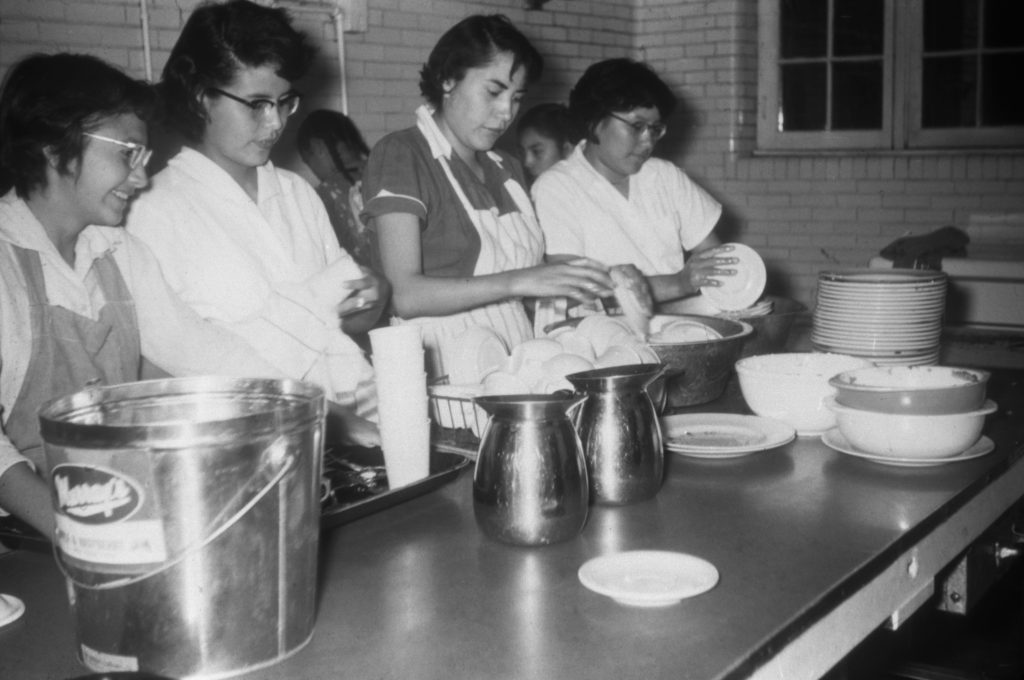
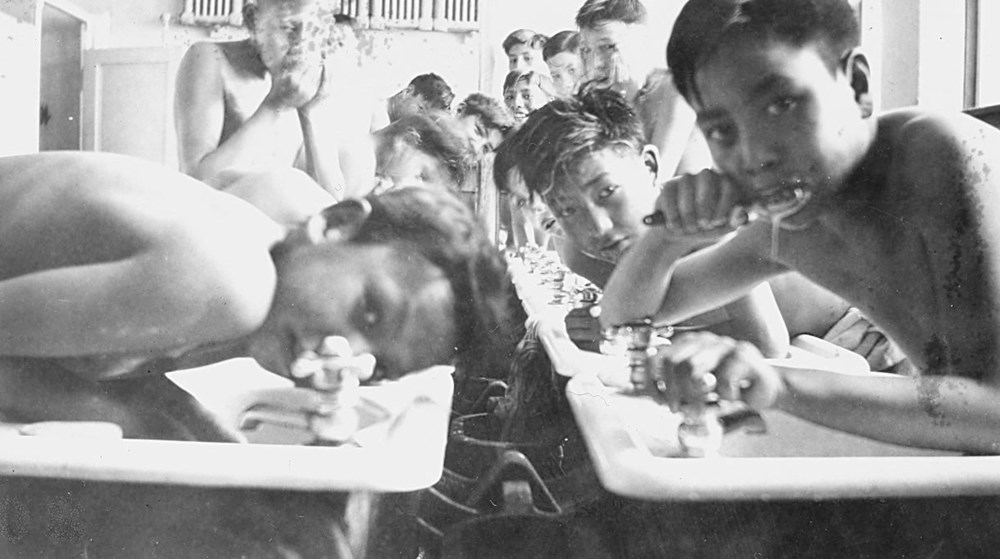
Students at the school were responsible for tasks related to the operation of the school such as laundry, washing dishes, harvesting food from the gardens, serving staff meals, taking care of livestock, and shoveling coal. Children working at these tasks would be assigned them both as daily living chores but also as punishments like having to clean the floor with a toothbrush, which as Mandel Old Woman recounts was a task given to students as young as the age of four years old. Other punishments included locking children up in isolated rooms or in remote areas of the school, likely including the boiler room.
While most of the boiler room at Old Sun is one area, the coal room is separated by a thick steel door, which is original to the 1932 construction of the school. Engraved on the door is a variety of graffiti from children who were in attendance of the school, including names, pictures, and dates that are legible as far back as the 1930s. This door provides a physical connection to the Old Sun residential school and the experiences survivors had while in attendance.
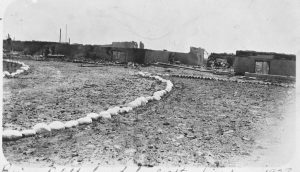
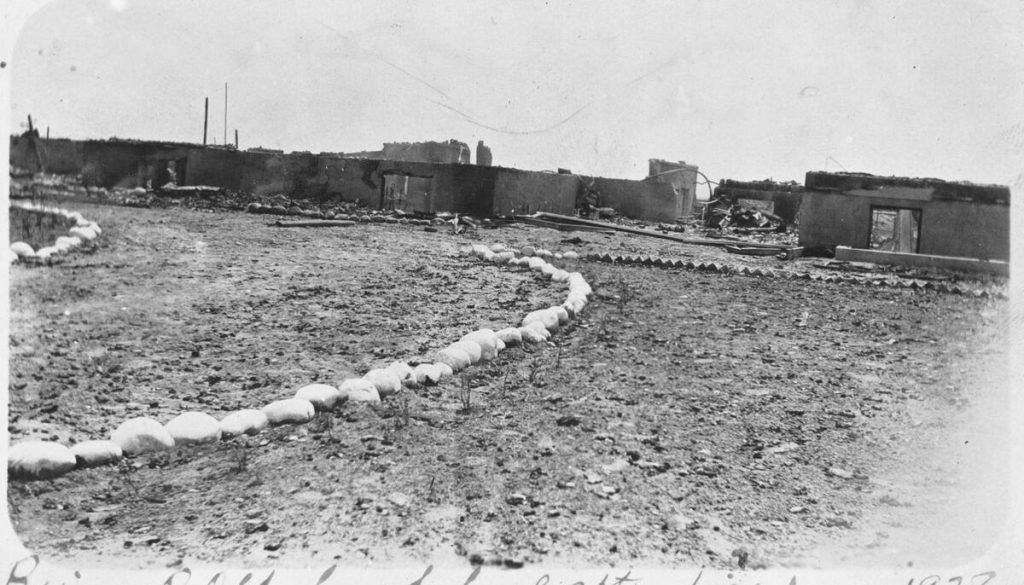
Archival documents reveal that fires were all too common at many Indian Residential Schools. The original Old Sun School at Siksika, for example, was constructed largely of wood and was lost to fire in June 1928. In this instance, Government investigators determined that the fire was caused by spontaneous combustion within the diary and storage cellar spaces within the building. In other schools, fires originated in basement boiler rooms where coal was burned to heat water as part of the hydronic heating systems. Other high-risk locations included kitchens and laundry areas.
Old Sun Indian Residential School (brick version) suffered its first fire within a year of its completion (1931). A fire caused by a defective heating element in one of the boilers had resulted from a small explosion. Investigators noted that the boilers in the basement of Old Sun were unmonitored at the time of the incident, suggesting that it could have been prevented. A second incident involving boilers occurred in 1947 and required an extended holiday break for students as repairs had to be undertaken to restore heat and hot water to the building. Rather than address the recurring mechanical issues with the boilers, the superintendent investigating the incident approved a night watchman to keep an eye on the boilers.
Many residential schools were located in remote rural areas and therefore were not easily served by municipal fire departments. As a result, the suppression of school fires required easy access to well-maintained fire extinguishers and dependable sources of water. Unfortunately, Government documents reveal that cost-cutting measures prevented many identified fire hazards from being addressed, placing students at significant risk.
To keep students safe, dormitories and classrooms required unobstructed fire routes to exterior stairways (fire escapes). However, there were no national standards in Canada requiring the installation of fire escapes for most of the residential school era. Instead, contractors took it upon themselves to make recommendations about when and where fire escapes should be installed. The general rule of thumb was that fire escapes should be fitted above the second floor of large multi-story buildings.
Well water quality and supply issues were well documented problems at all three of the schools preserved in this archive. At Old Sun, emergency repairs to well pumps and valves were required approximately one year after the school had opened. In October and November of 1932, reports indicate that the school was left without water for several hours. While well pumps proved to be a constant source of trouble, hydrological investigations revealed that a drop in the water table combined with an inlet pipe that had been laid incorrectly meant that major repairs were necessary. Even after repairs were undertaken, the supervising engineer reported that well tests indicated that only 2/3 of the water necessary for daily operation of the school were being produced. In some cases, it appears that water was withheld by some residential school administrators as a means of controlling and exercising power over the children.
Use the arrow keys (left, right, up down) or left click and drag your mouse around the screen to view different areas of each room. If you have a touch screen, simply drag your finger across the screen.
This image includes modern images of the boiler room. If anyone has historic photos of the boiler room at Old Sun that they would like to submit to this archive, please contact us at irsdocumentationproject@gmail.com or submit through "Submit your Memories" button at the top of the page.
![The previous, wooden, Old Sun school which burnt down from a fire started in the boiler room. [192-?]. P7538-673 from the General Synod Archives, Anglican Church of Canada.](https://irs.preserve.ucalgary.ca/wp-content/uploads/P7538-673.jpeg)
![The previous, wooden, Old Sun school which burnt down from a fire started in the boiler room. [192-?]. P7538-672 from the General Synod Archives, Anglican Church of Canada.](https://irs.preserve.ucalgary.ca/wp-content/uploads/P7538-672.jpeg)
![The previous, wooden, Old Sun school which burnt down from a fire started in the boiler room. [192-?]. P7538-638 from the General Synod Archives, Anglican Church of Canada.](https://irs.preserve.ucalgary.ca/wp-content/uploads/P7538-638.jpeg)
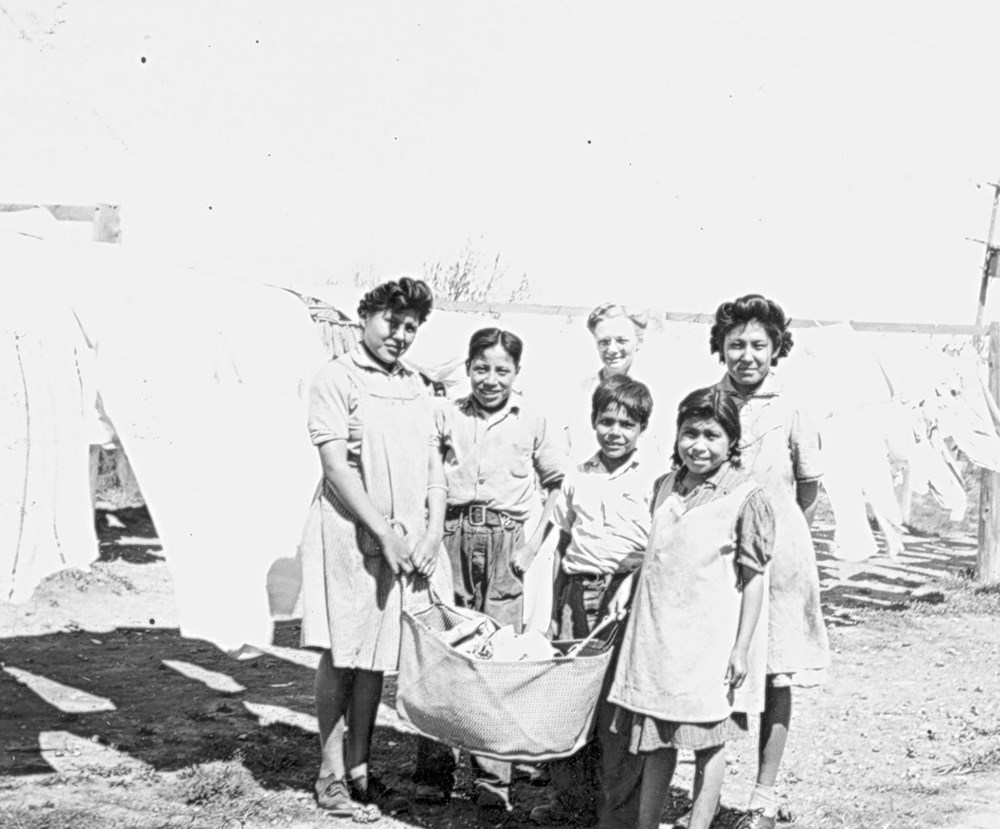
![Four girls make butter in the kitchens down the hall from the boiler room. [194-?]. P75-103-S7-165 from the General Synod Archives, Anglican Church of Canada.](https://irs.preserve.ucalgary.ca/wp-content/uploads/P75-103-S7-165.jpeg)
![Back of the new Old Sun school, showing door into the boiler room next to the base of the chimney. [193-?]. M55-01-P52 from the General Synod Archives, Anglican Church of Canada.](https://irs.preserve.ucalgary.ca/wp-content/uploads/M55-01-P52.jpeg)
![Students spent much of their time doing maintenance and chores for the school. Here, workshop boys build a brooder house. [194-?]. P75-103-S7-192 from the General Synod Archives, Anglican Church of Canada.](https://irs.preserve.ucalgary.ca/wp-content/uploads/P75-103-S7-192.jpeg)
![Students spent much of their time doing maintenance and chores for the school. Here, workshop boys build a brooder house. [194-?]. P75-103-S7-187 from the General Synod Archives, Anglican Church of Canada.](https://irs.preserve.ucalgary.ca/wp-content/uploads/P75-103-S7-187.jpeg)
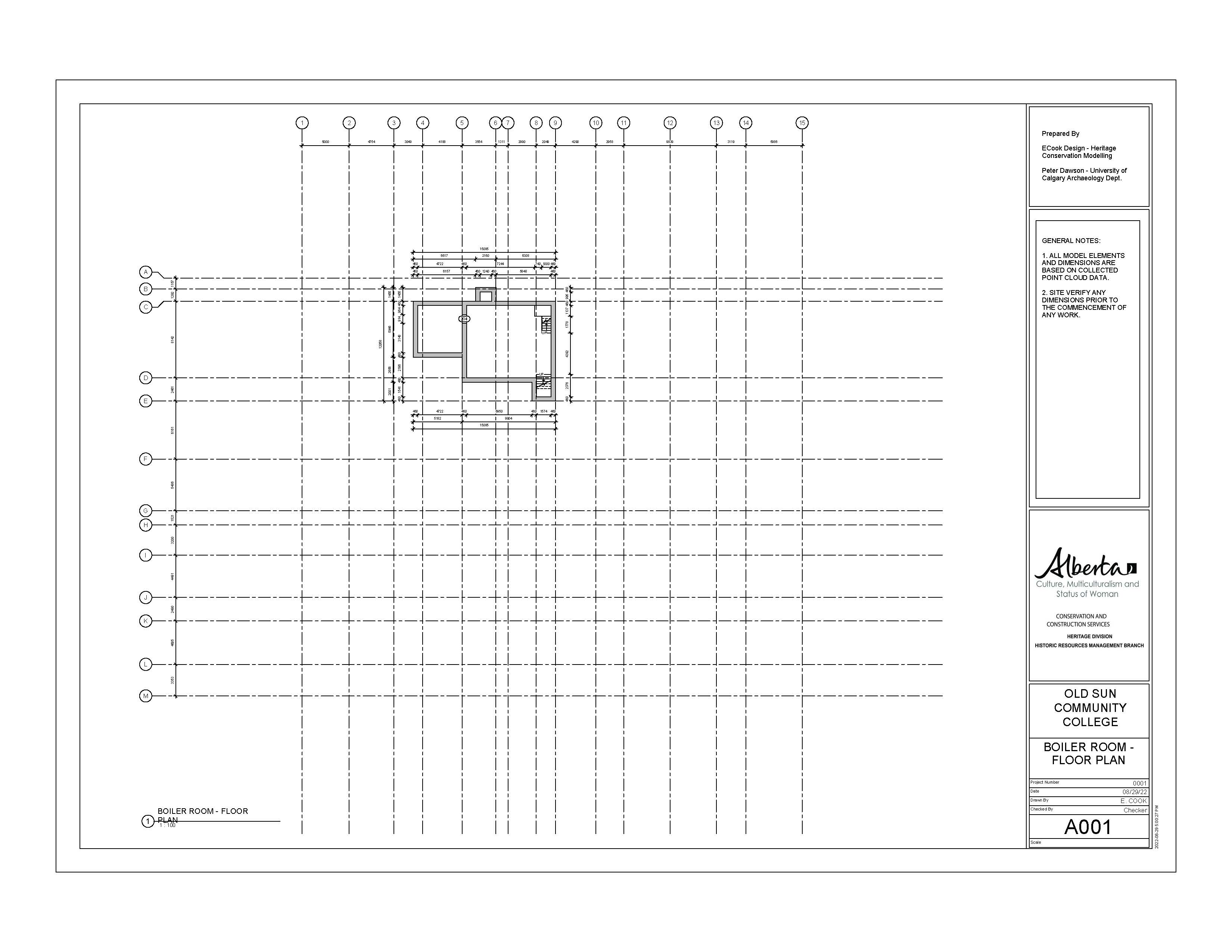
Laser scanning data can be used to create “as built” architectural plans which can support repair and restoration work to Old Sun Community College. This plan was created using Autodesk Revit and forms part of a larger building information model (BIM) of the school. The Revit drawings and laser scanning data for this school are securely archived with access controlled by the Old Sun Advisory Committee.
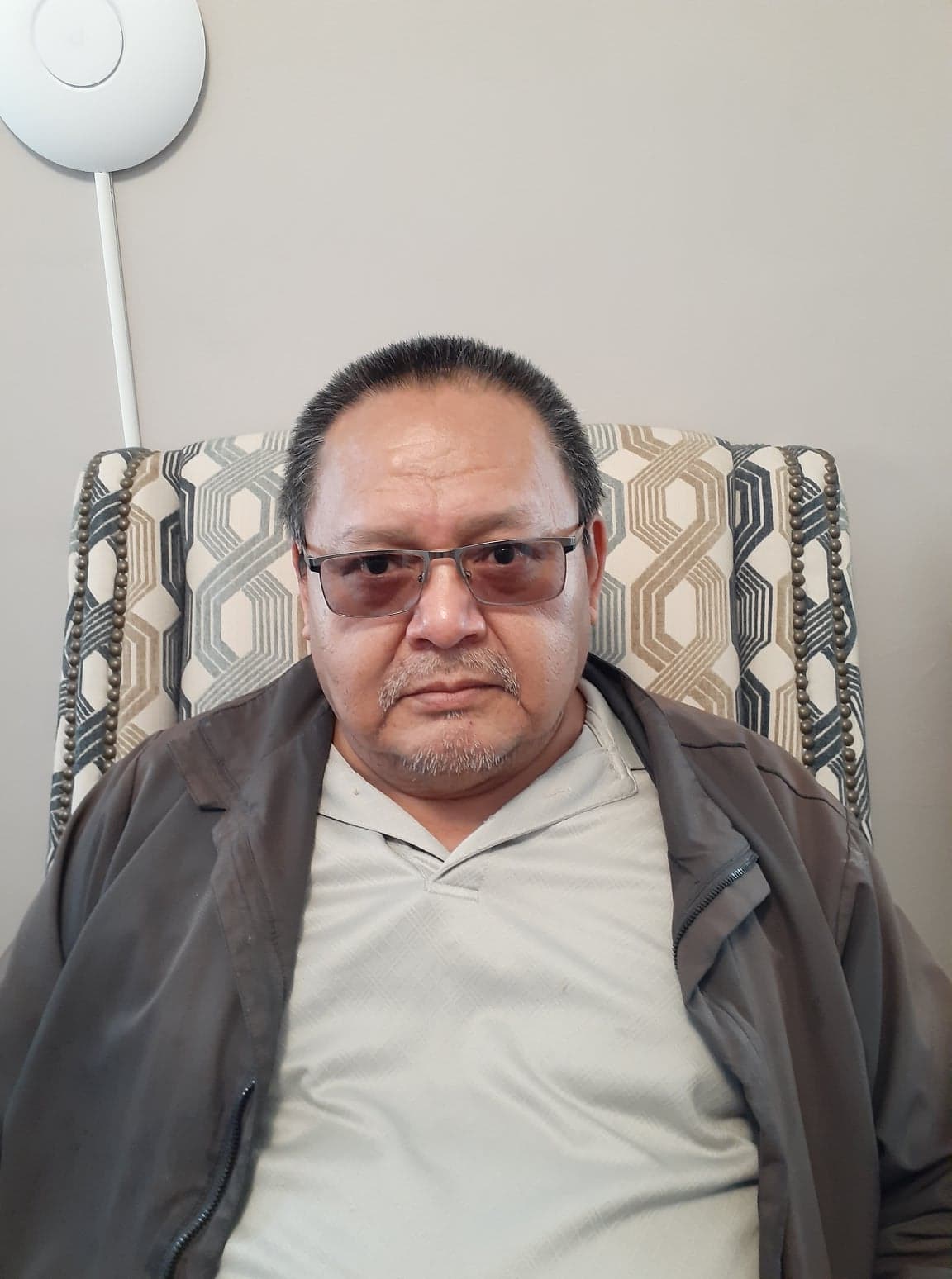
I think the most part the best part I liked about the residential school is when we got released to go out and play out in the yard. There was a bunch of garter snakes in the yard. I was the one that always chased everybody around. That’s why most of my punishments commenced. I’ve never been whipped by my parents till after I left residential school. I used to get whipped by a guy named Father Brown, he was kind of mad. He would just hit us with anything and smacks us in the head. Because, I guess, I don’t know if was my fault chasing everybody with garter snakes or what not… but everybody stayed away from me because of the snakes.
That’s when we were outside but inside was pretty… I think the worst bad experience, I think, of it all… It is Friday, they bring us home one the bus, but Sundays we had all had to start walking to the school no matter how cold it was on a Sunday morning or afternoon. I think that’s about all I could really think about residential school. I probably, what this lady said today at the workshop today, I only remember the little good parts and I think I blocked all the bad parts out. Cause I know there’s stuff out there like when we go out on the other side on the west side of the playground there was, like… we got to play with the girls and that was the only time we ever see them and what not, otherwise it was just like prison, as far as I’m concerned. I think the only good experience’s out of it is when I joined the army, I was already trained. I think that’s about my story. Like I said I was already trained cause we are always doing this we had to stand in line for breakfast and what not. We had to stick by rules.
So its always like I had a military life, all my life in residential. And then that is the sad part we grew up and my mom put us in residential school and then we kind of lost track of her. And then when they released us she got sick with cancer so she was in and out hospital, which made us miss part our mom’s life. I think that’s about it. I never really had a bad experience. Just when we were in the boy’s room and when the older boys were making the little boys fight each other. I guess that’s where the older generation became that’s how they all became boxers.
– Irwin Big Old Man
Oral interview with Irwin Big Old Man. Conducted, translated, and transcribed by Angeline Ayoungman. Old Sun Community College, May 12, 2022.
This computer reconstruction approximates how clas…
Read more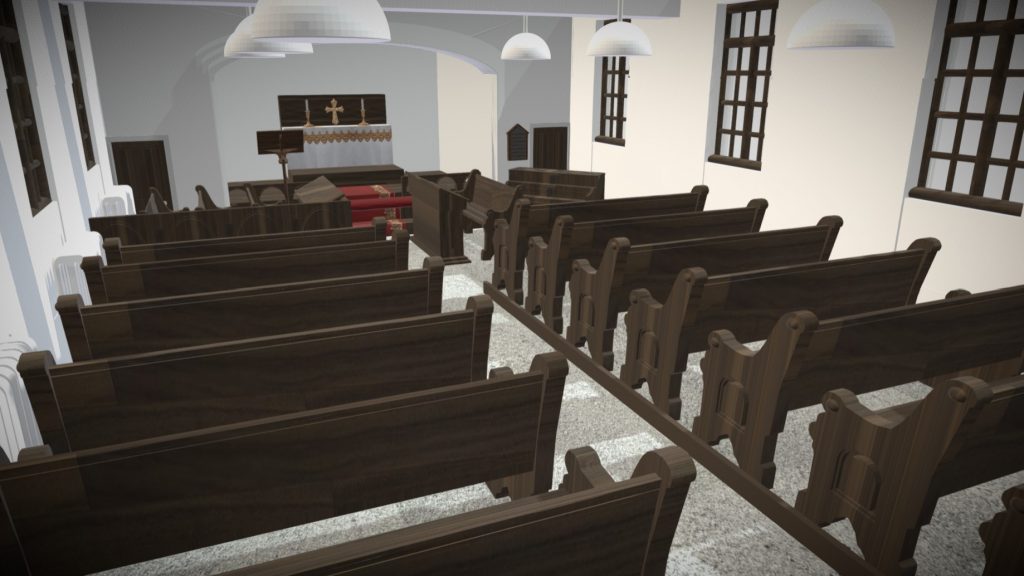
This computer reconstruction approximates how the…
Read more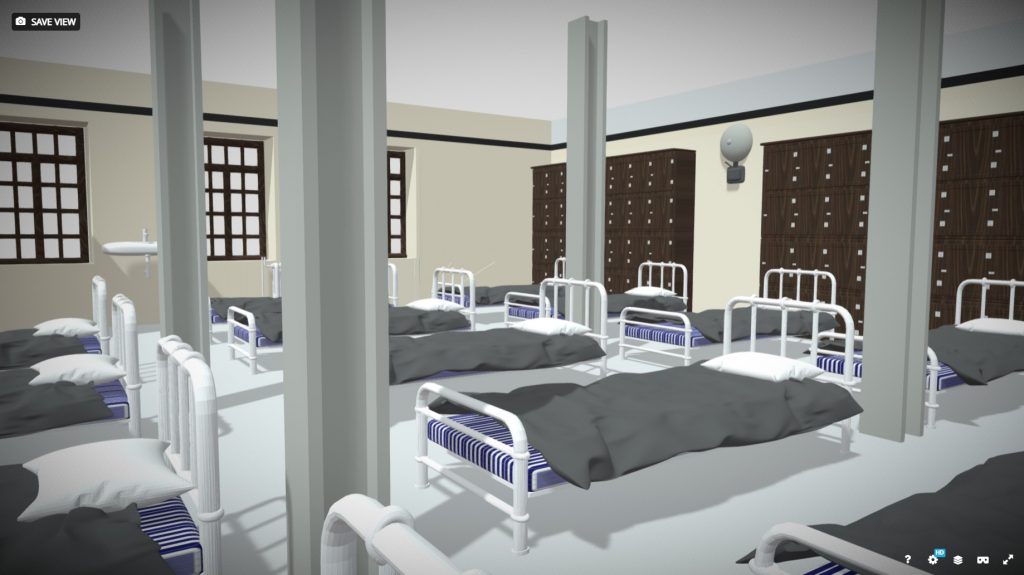
This computer reconstruction approximates how the…
Read more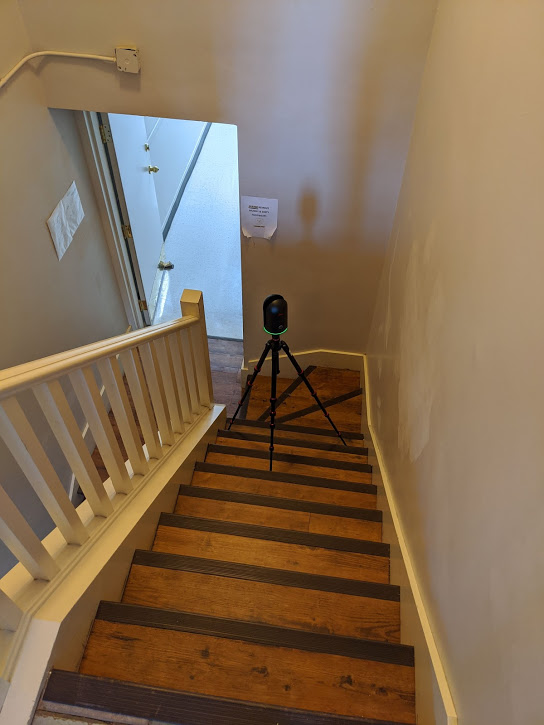
The Annex at Old Sun Community College. This Area…
Read more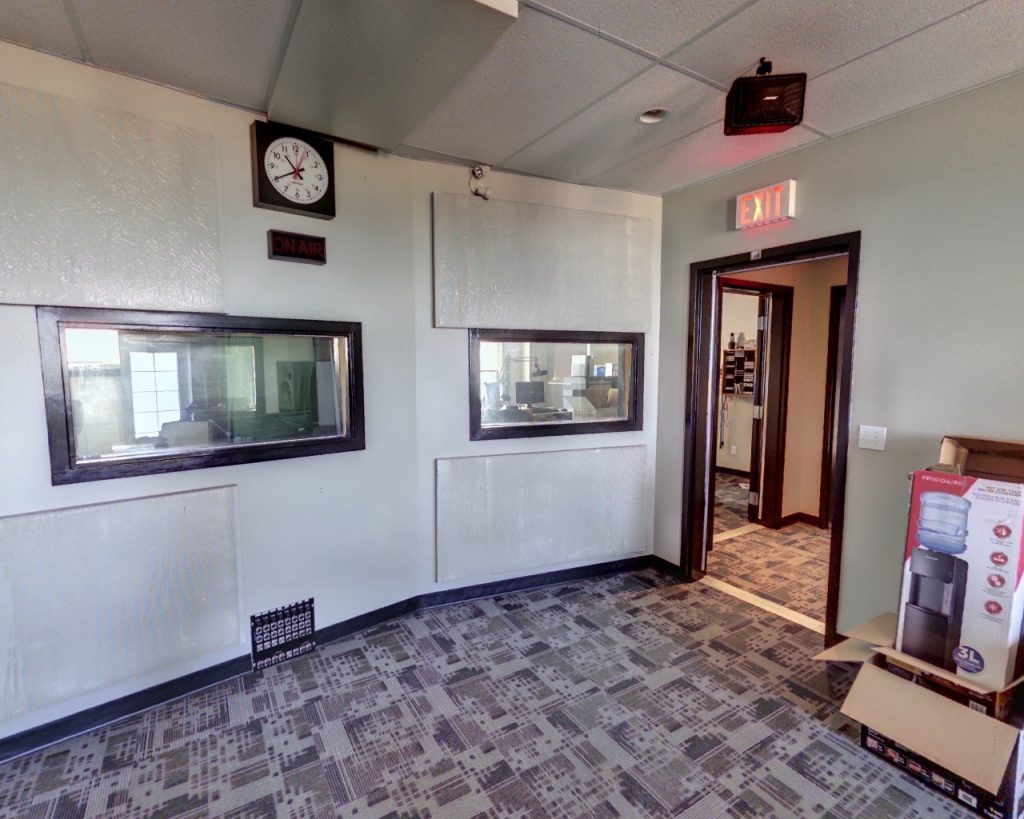
The Fourth Floor of Old Sun Community College (OSC…
Read more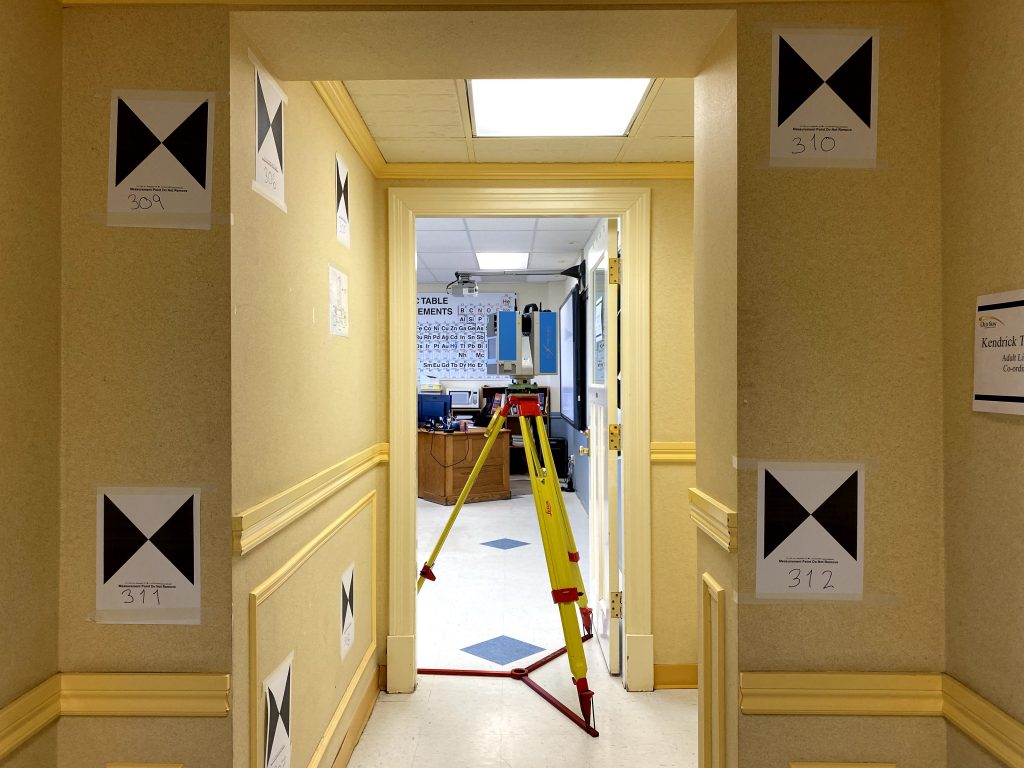
The Third Floor of Old Sun Community College (OSCC…
Read more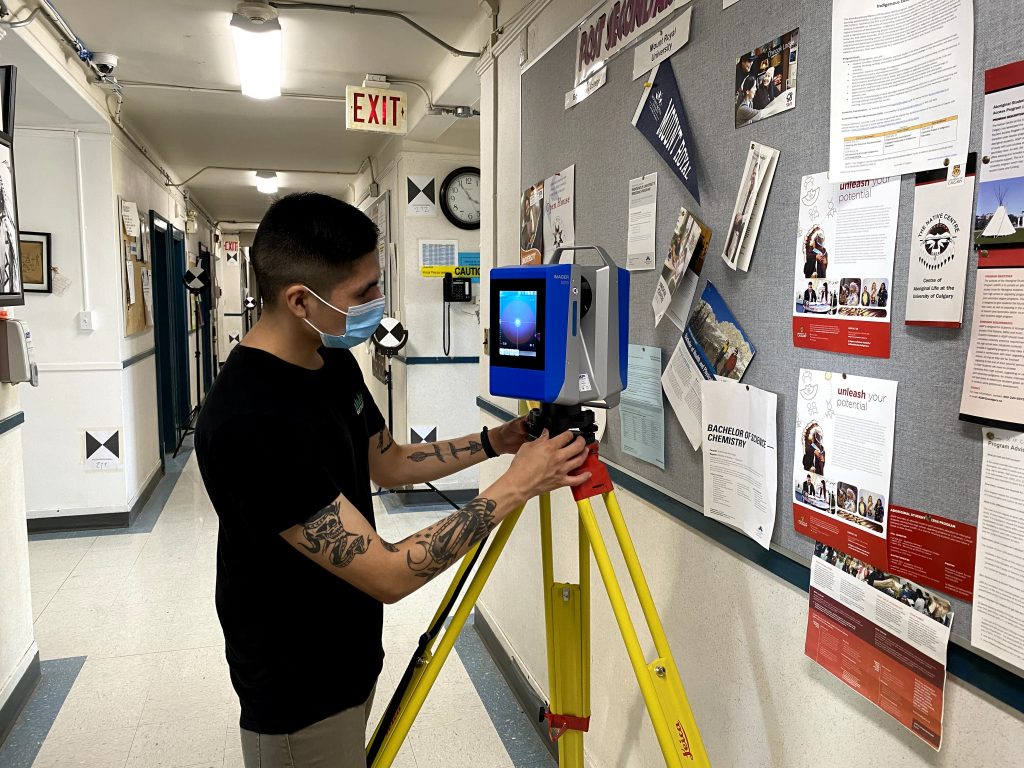
The Second Floor of Old Sun Community College (OSC…
Read more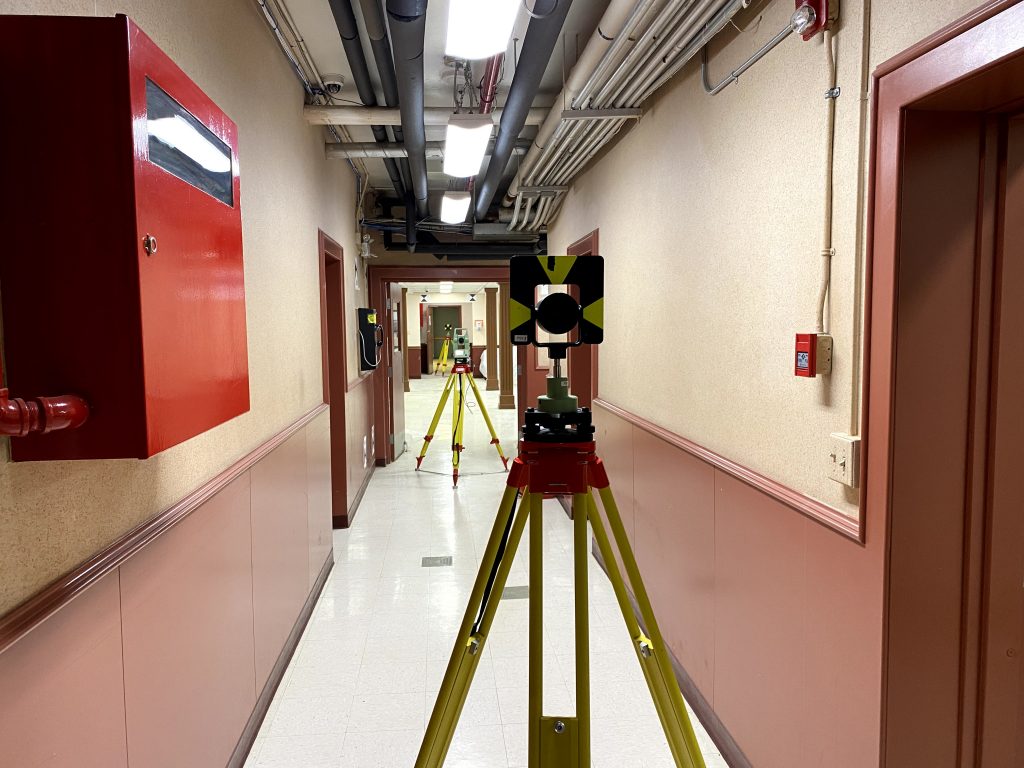
The First Floor/Basement of Old Sun Community Coll…
Read more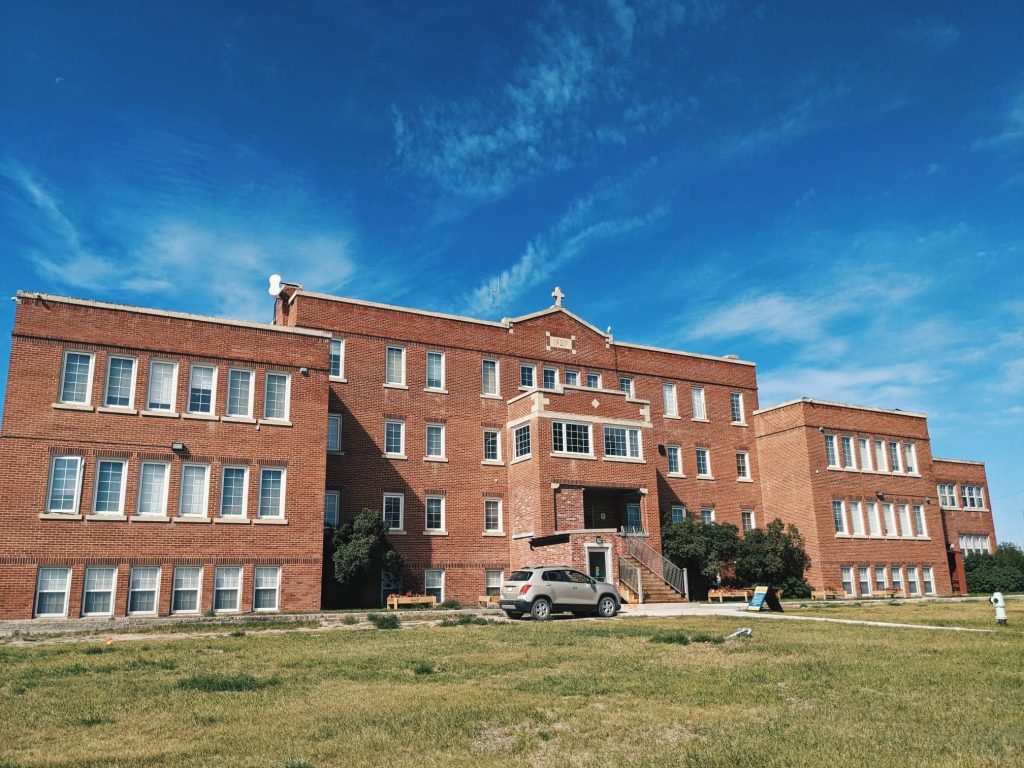
Old Sun Indian Residential School operated between…
Read more