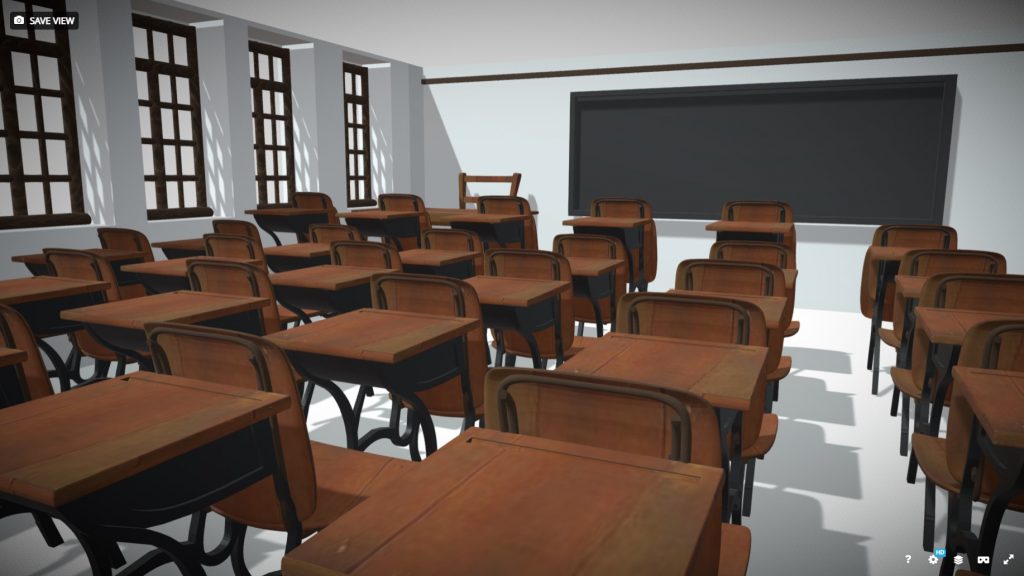
Old Sun Classroom
This computer reconstruction approximates how clas…
Read more
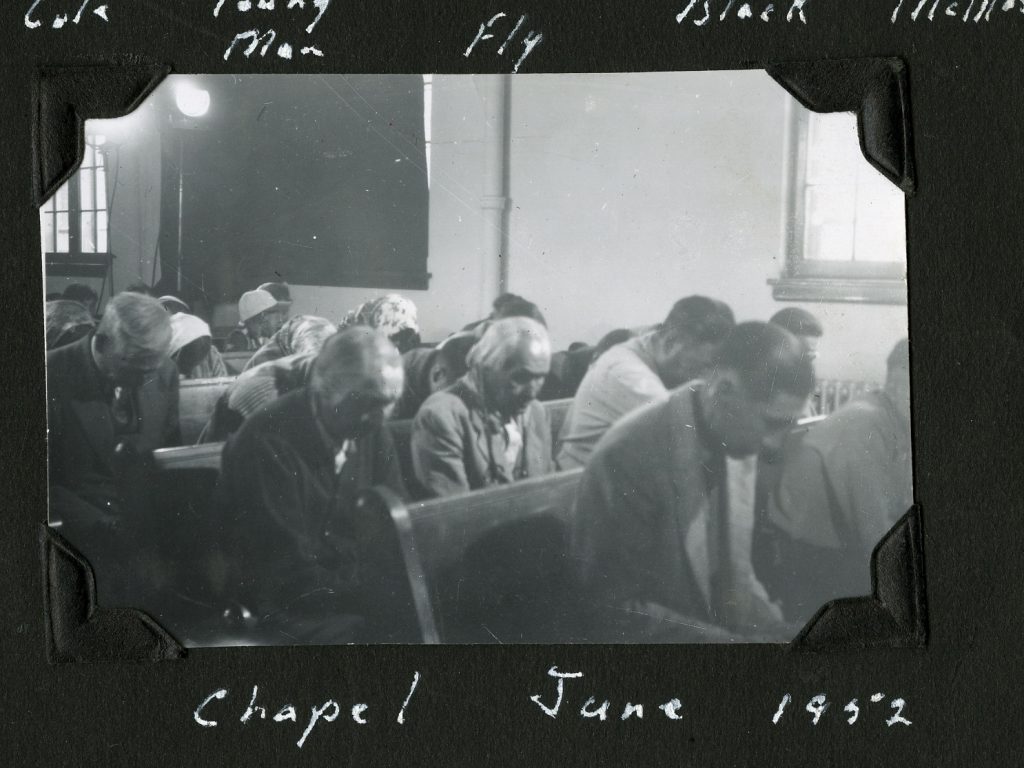
This computer reconstruction approximates how the chapel at Old Sun would have appeared at Old Sun Indian Residential School. It was created using historic photos as well as descriptions provided by former students.

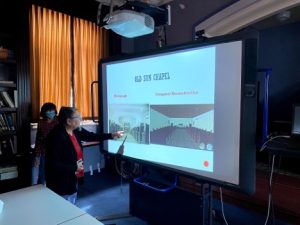
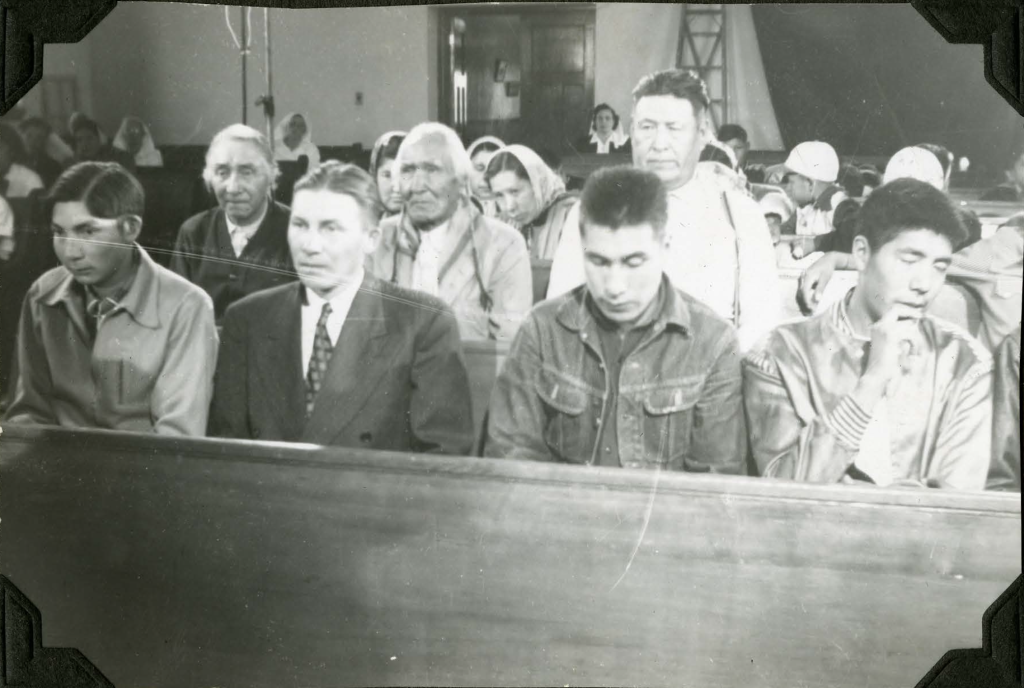
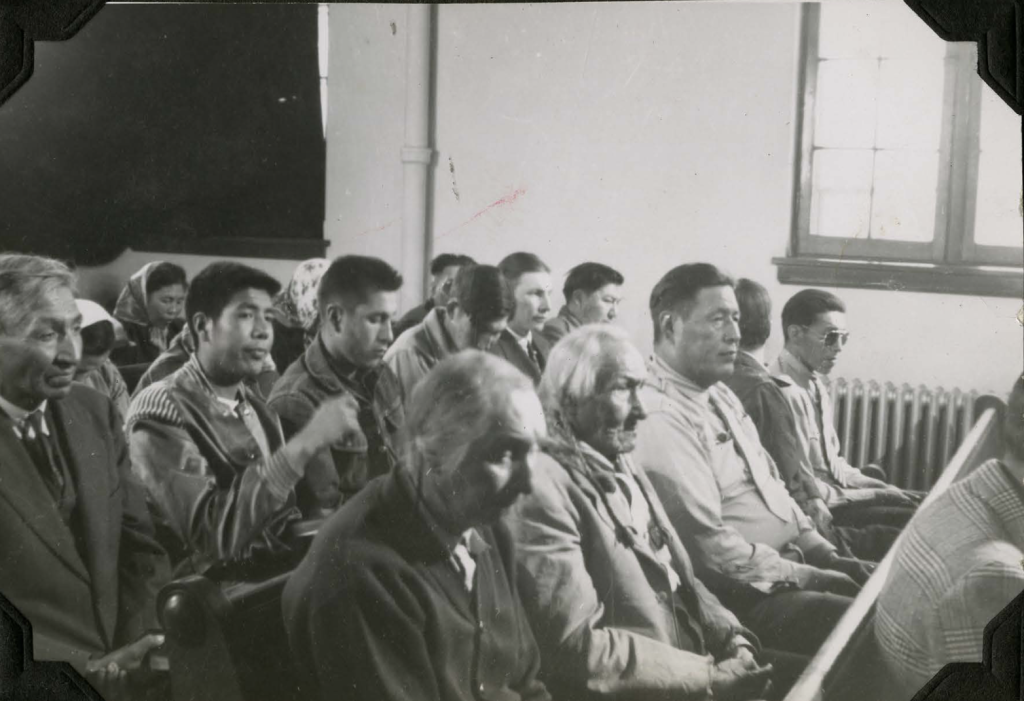
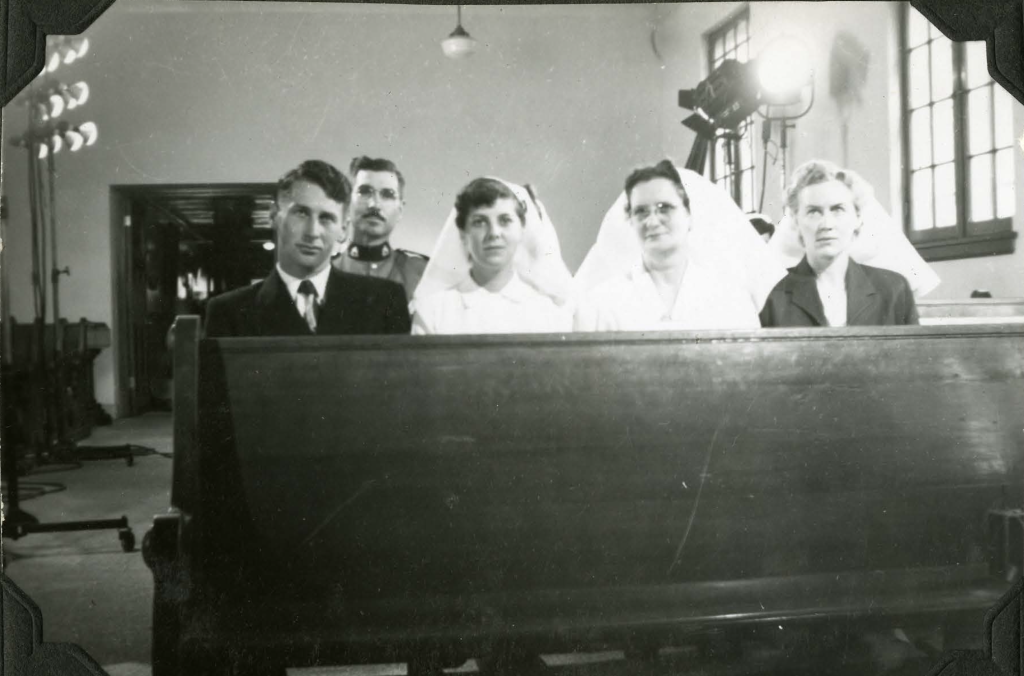
Computer science researcher Dr. Katayoon Etemad used historic photographs and survivors accounts to recreate the appearance of the chapel during the 1960’s. Etemad would provide members of the Old Sun Advisory Group with different versions of the model. Members would then suggest changes and send the model back to Etemad for revisions. This “back and forth” process eventually resulted in a closer approximation of how the chapel would have looked to staff and students.
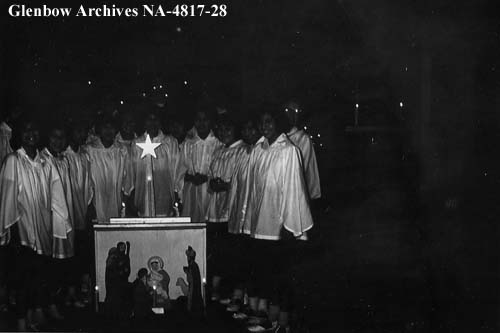
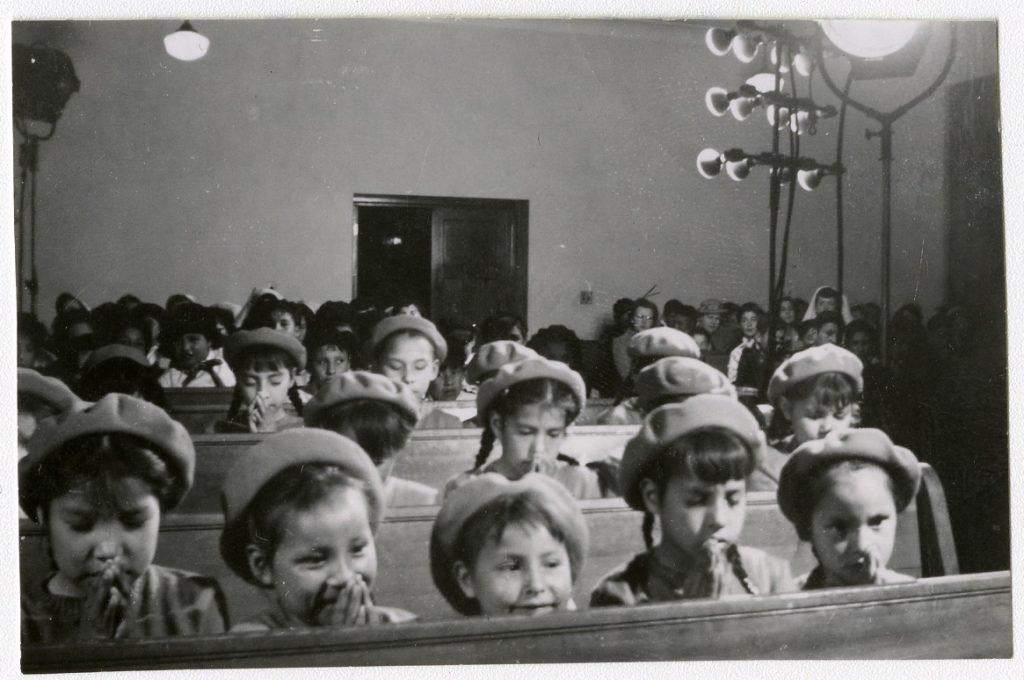
Residential School Survivors describe being indoctrinated with religion, being punished for speaking their language, and being mocked for practicing their culture. Felix Mukego who attended BQ IRS explained: “they try to indoctrinate you with religion. Pound in you a fear of God or whatever God is supposed to be. Made you pray maybe 7 times a day. Made you go to church every morning, whether you like it or not. On your hands and knees. On a cold cement floor to say your Catholic prayers” (Muskego, 2014).
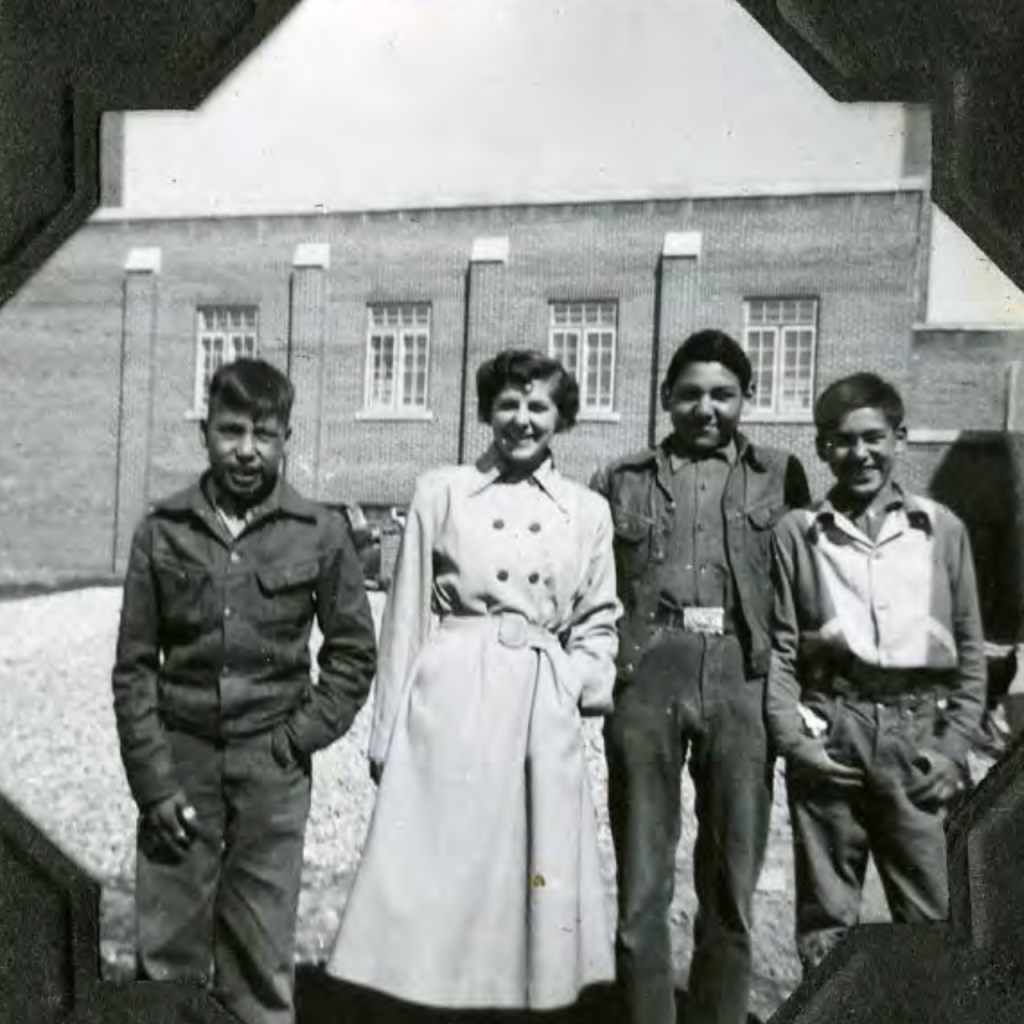
This image gallery shows historic and modern photos of Old Sun College's library. Click on photos to expand and read their captions. If you have photos of that you would like to submit to this archive, please contact us at irsdocumentationproject@gmail.com.
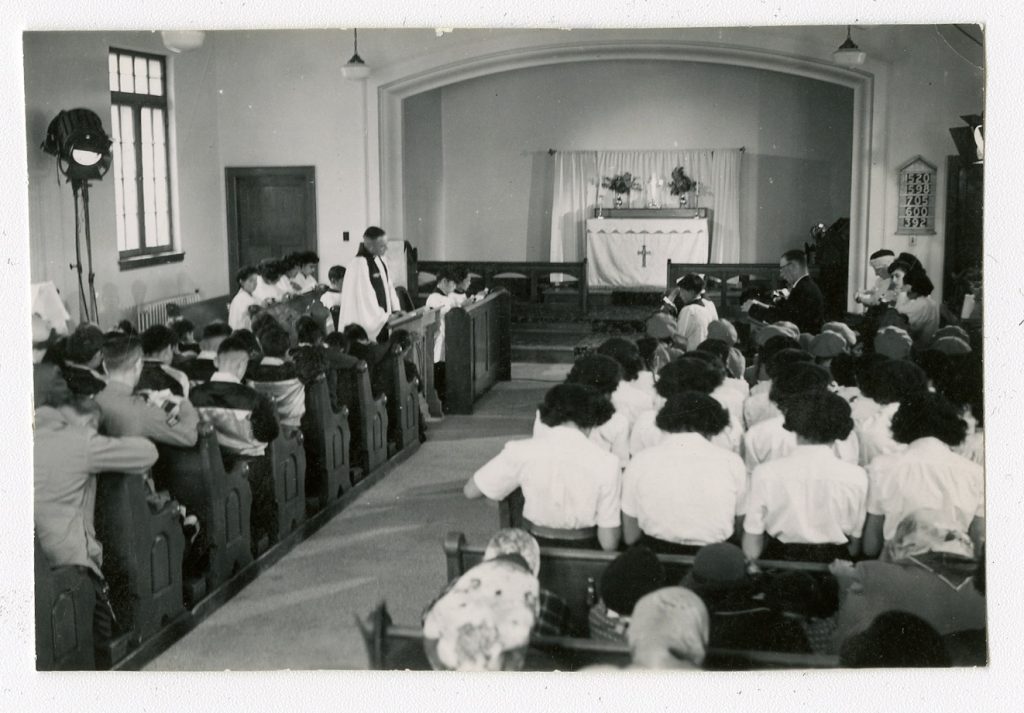
![Canon Gibbon Stocken conducting service at Old Sun School. - [ca. 1949]. P75-103-S7-198 from The General Synod Archives, Anglican Church of Canada](https://irs.preserve.ucalgary.ca/wp-content/uploads/P75-103-S7-198.jpeg)
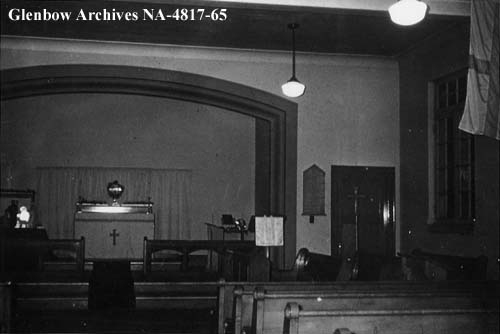
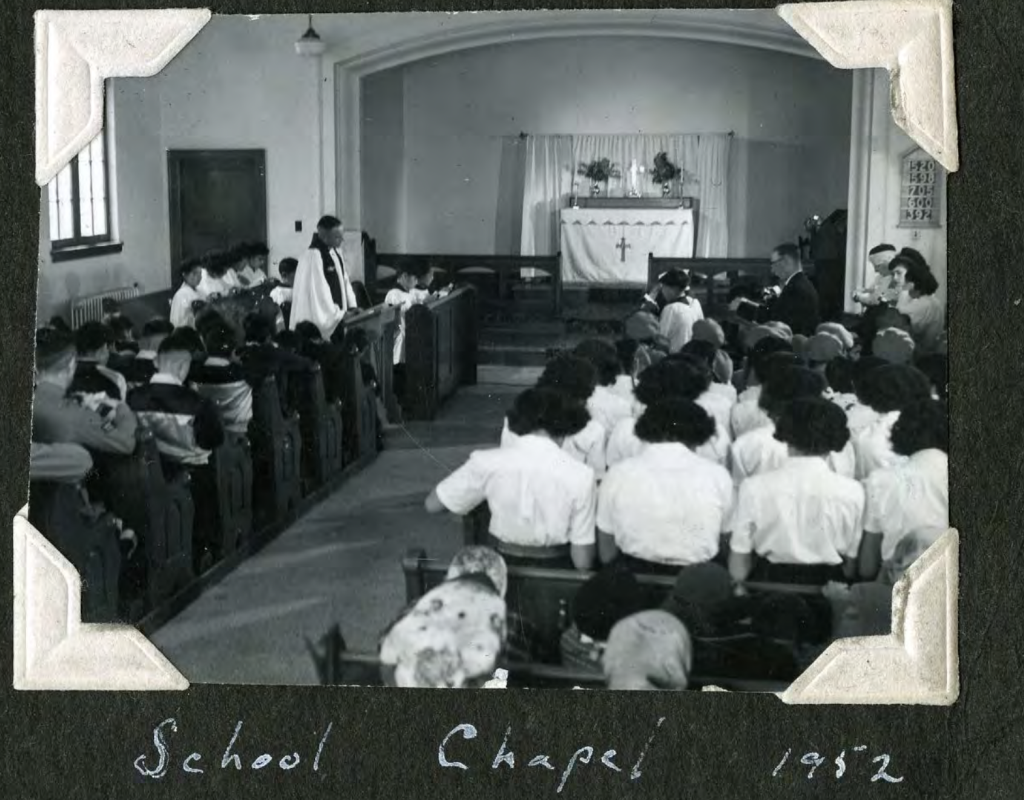
![Canon Gibbon Stocken and Chief Paul Little Walker at the front of Old Sun chapel [ca. 1949]. P75-103-S7-197 from The General Synod Archives, Anglican Church of Canada](https://irs.preserve.ucalgary.ca/wp-content/uploads/2021/07/P75-103-S7-197.jpeg)
Okay I am going to talk about another thing. These boys that I snuck away with, are all gone on, they are no longer here. DYF, LLH, and myself, the 3 of us. We snuck away from school; the police were looking for us. We got caught and brought back to school. They strapped us continuously on our hands. The supervisor wet the strap and strapped us on our hands. We were angrily sent to bed and they also did not feed us ‘til the next day we got something to eat. They have all gone on, the ones I snuck away, those boys. They say it is bad, what they call residential school. Others, we got treated bad us, my younger brothers. If we didn’t fight back, my uncle told us fight back if you don’t fight back, you will be treated really bad so we fought back and they left us alone most of the time. There were some boys who were mean. If we had candy they would take it away from us, our candy. That’s how bad what they call residential school.
– Allan Stevens

Oral interview with Allan Stevens. Conducted, translated, and transcribed by Gwendora Bear Chief. Old Sun Community College, March 23, 2022.

This computer reconstruction approximates how clas…
Read more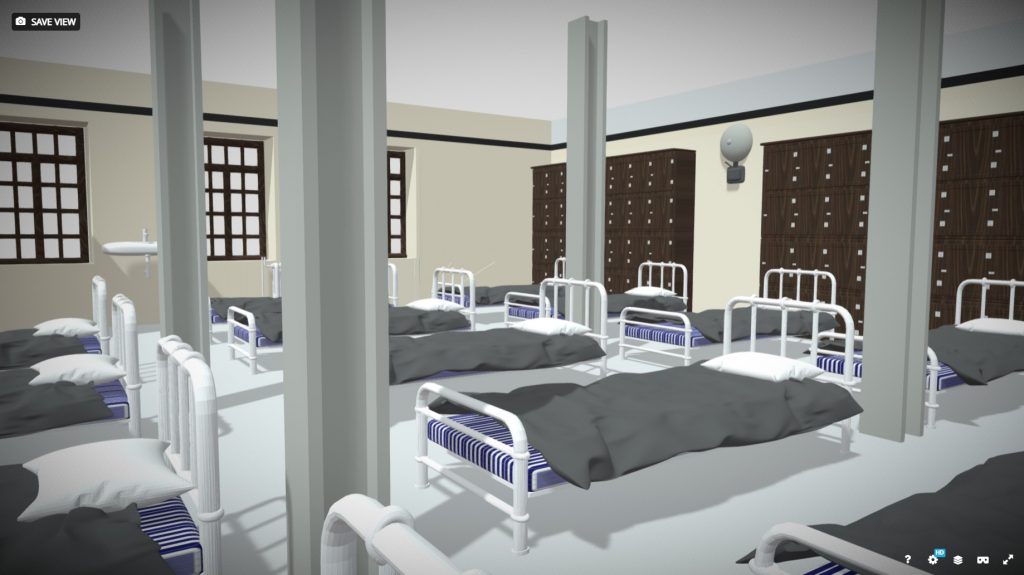
This computer reconstruction approximates how the…
Read more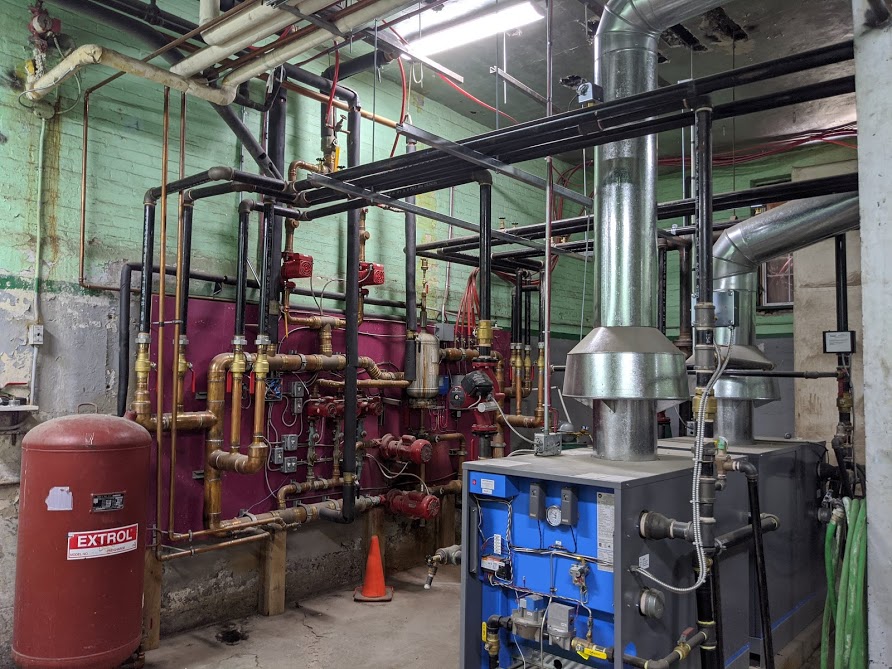
The boiler room and former coal shoot at Old Sun C…
Read more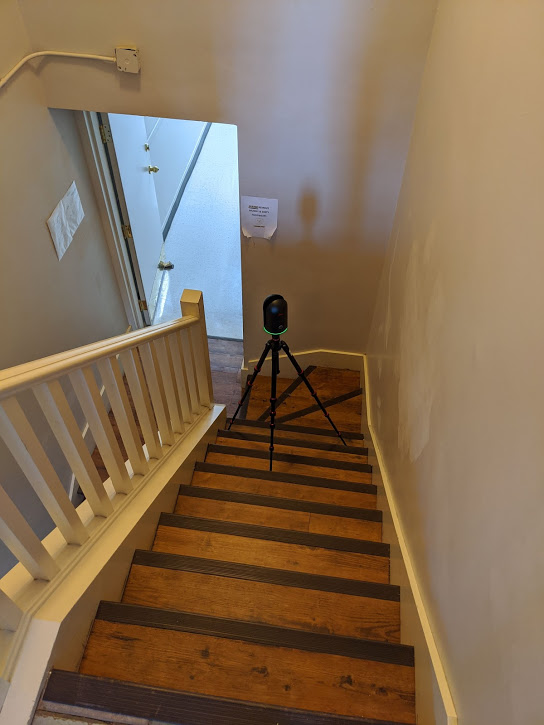
The Annex at Old Sun Community College. This Area…
Read more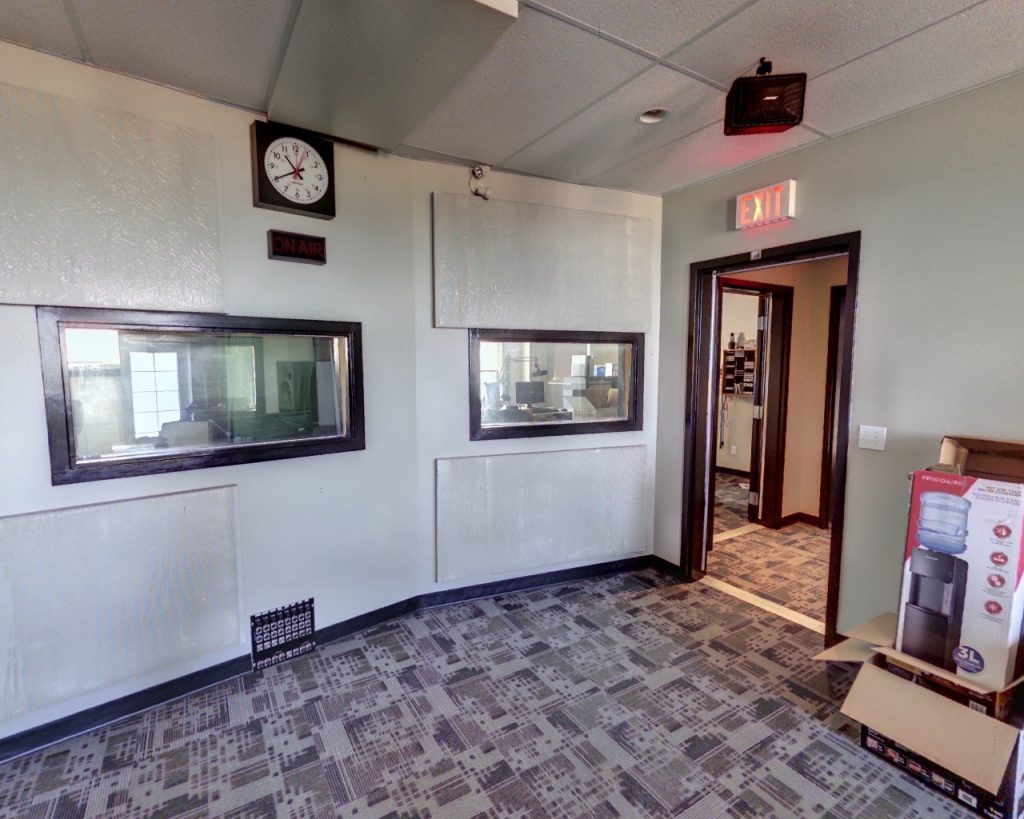
The Fourth Floor of Old Sun Community College (OSC…
Read more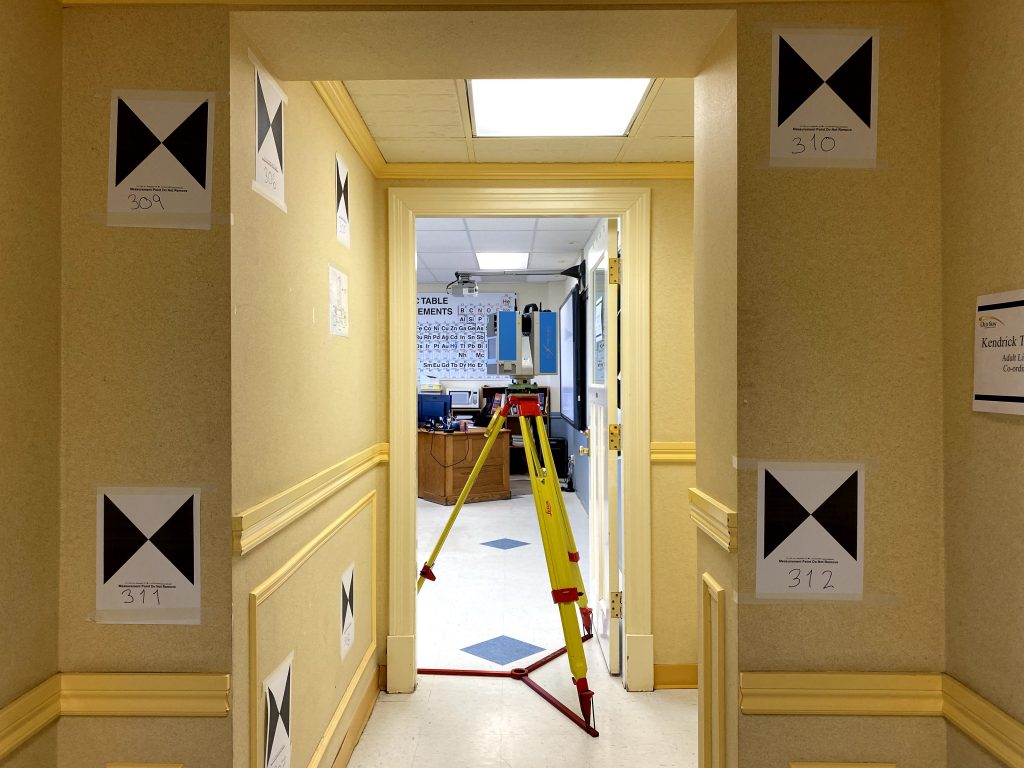
The Third Floor of Old Sun Community College (OSCC…
Read more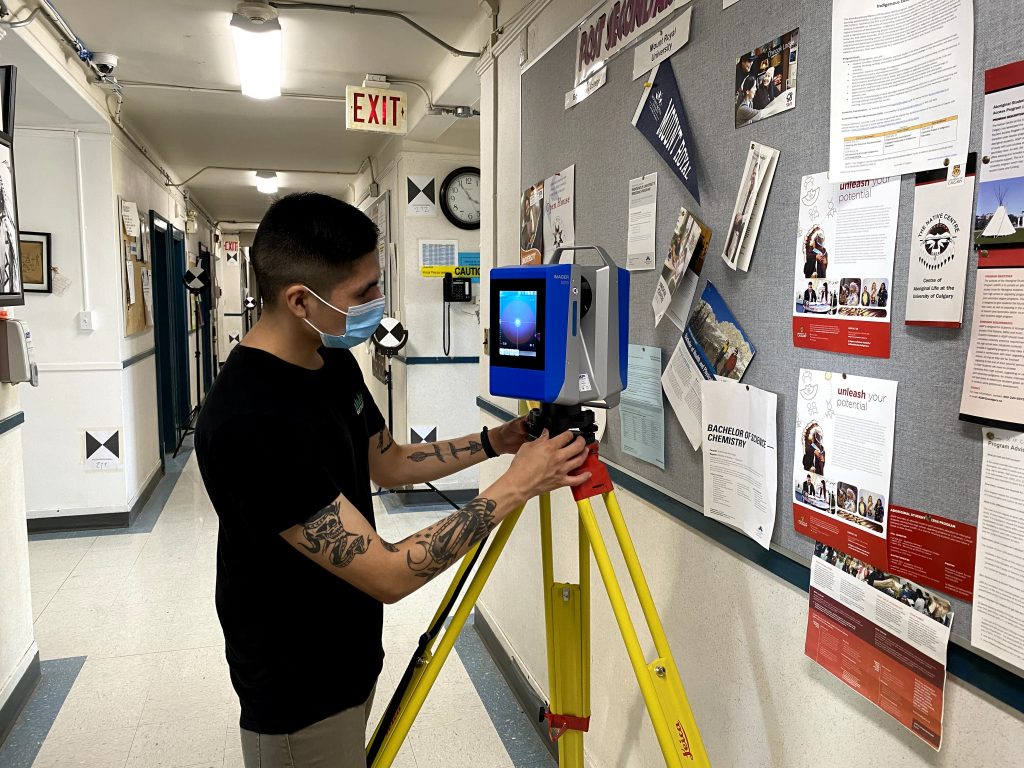
The Second Floor of Old Sun Community College (OSC…
Read more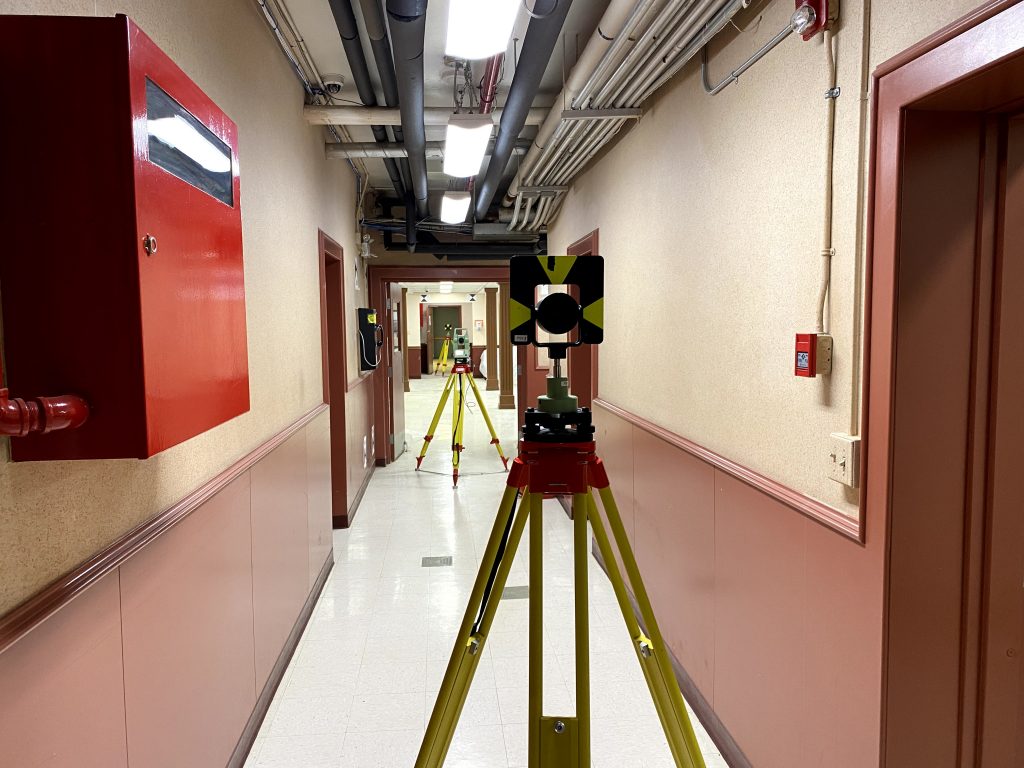
The First Floor/Basement of Old Sun Community Coll…
Read more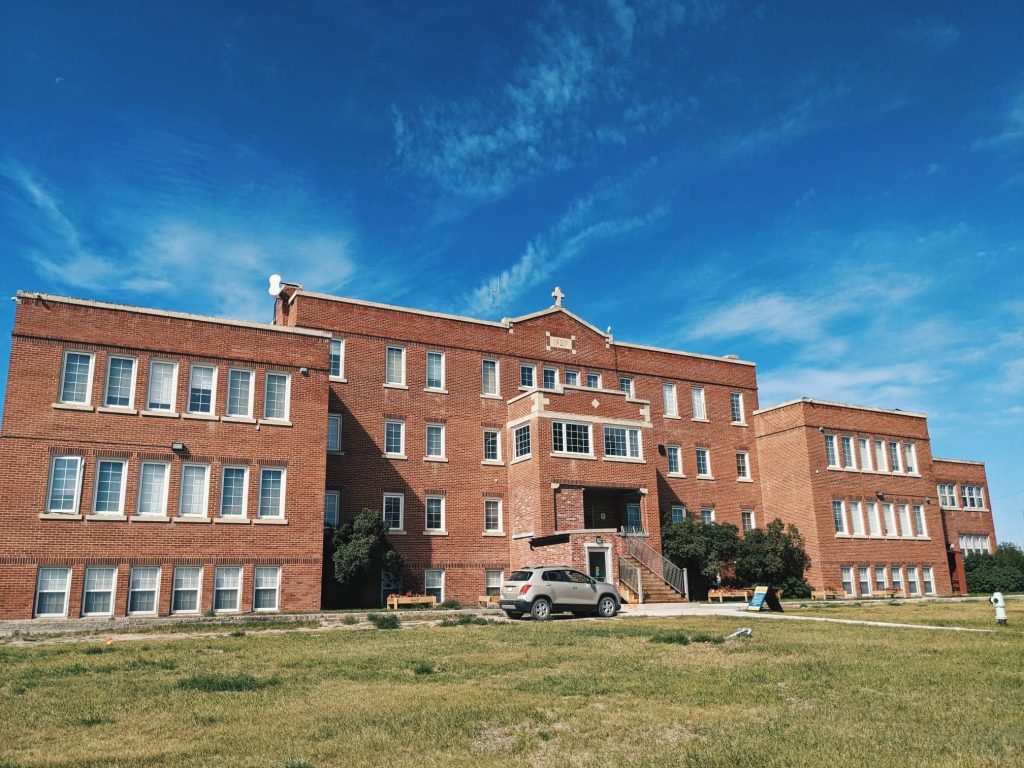
Old Sun Indian Residential School operated between…
Read more